Pre-sale 230,000-280,000, the Fangcheng S offers three configurations: low- and high-power rear-wheel drive plus all-wheel drive, while the GT version offers only high-power rear-wheel drive plus all-wheel drive, for a total of five configurations available.
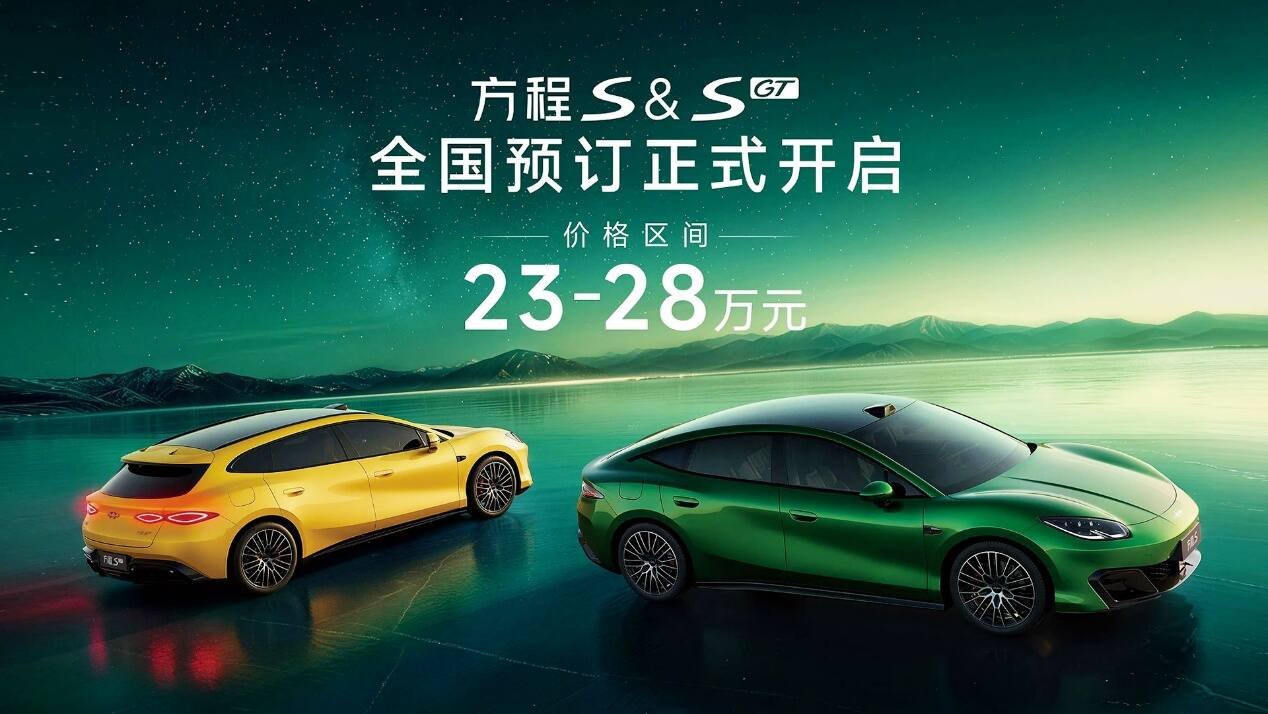
If the pure electric range could be extended to 800km+, the Fangcheng S & GT would really seem to be born to take on the Xiaomi SU7. Both versions have slightly longer bodies, a wheelbase 40mm shorter, slightly weaker electric drive output, similar curb weight, and front wheel specs of 245/45R19, and both are sport sedans, so it is only natural to let one's imagination run wild. In addition, at the same price range there are rivals such as the Qijing GT7, and even the Tesla Model 3 has started promotions, so the pressure on the Xiaomi SU7 is indeed great!
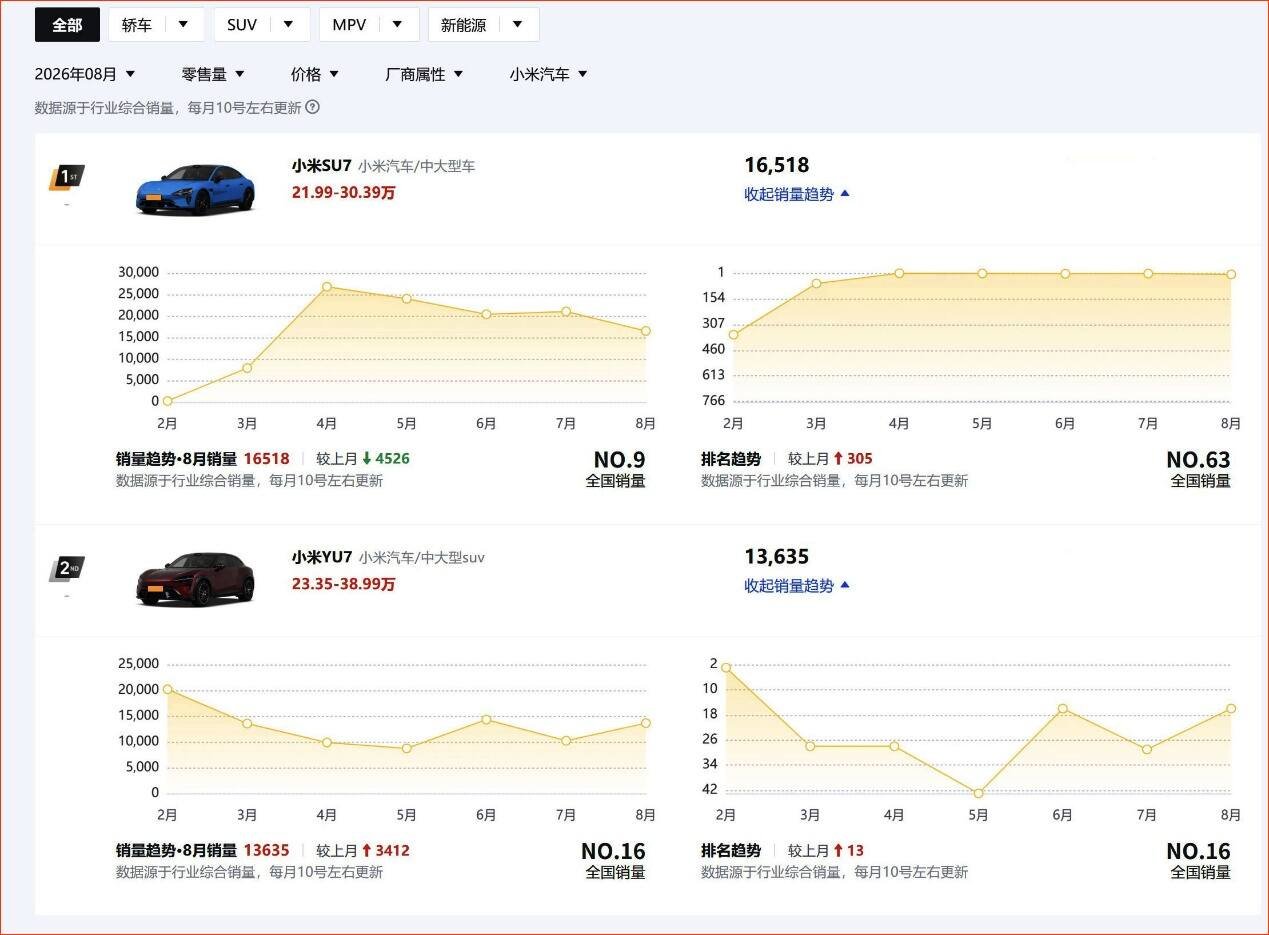
Judging from the sales data for the past six months published by a certain automotive vertical website, whether it is the Xiaomi SU7 or the Xiaomi YU7, the sales curves for the past six months are worth being vigilant about. No matter how much irreplaceable emotional value it can provide to its target customer group, it still cannot withstand aesthetic fatigue. Launching the Pengcheng series may also be a way to further enrich the product lineup to cope with possible future market weakness. At present, the Pengcheng series products are enjoying high popularity, and I hope both the N90 and N70 sell well, so as to continuously enhance Xiaomi Auto's competitiveness and market position.
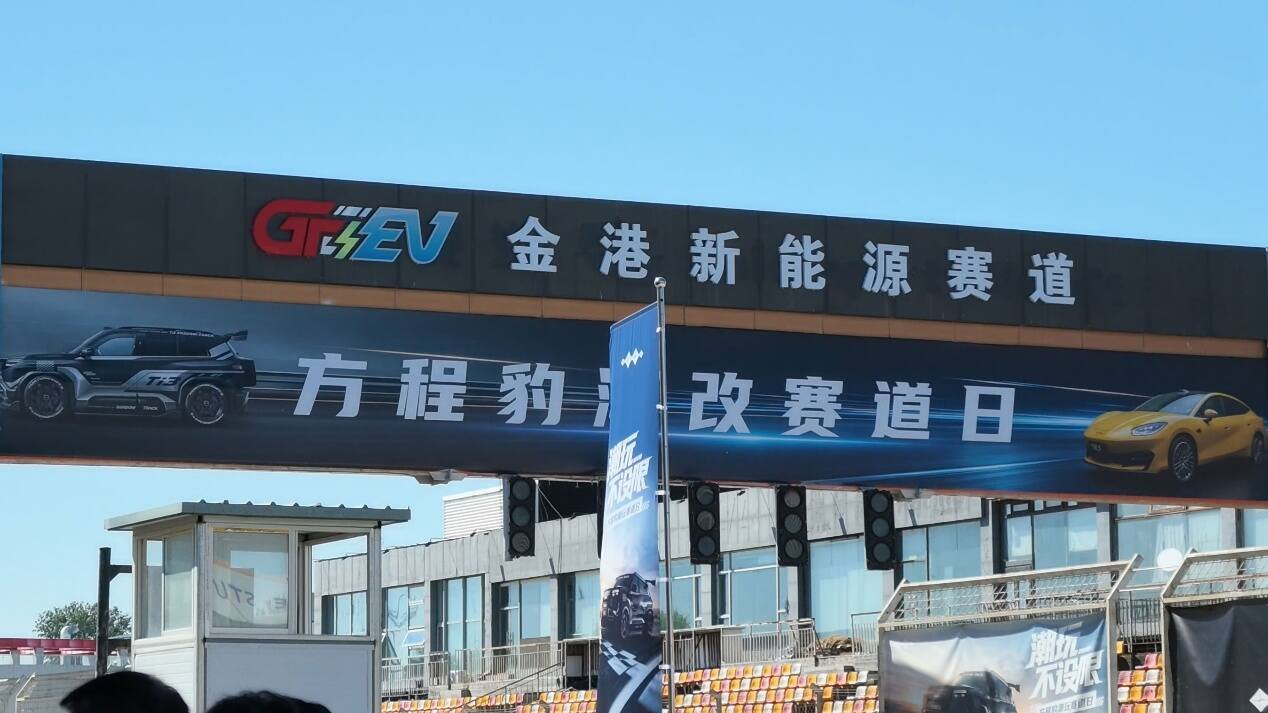
A few days ago, I participated in a "Fangchengbao Trend Modification Track Day" and had a close encounter with the Fangchengbao S, but due to confidentiality-related matters I cannot publish related content now, so first let me talk about online-related information about the Fangchengbao S & GT and its competitors. Both are mid-to-large sport sedans, and the currently hot-selling Xiaomi SU7 is inevitably one of the strong competitors. We chose the pre-sale-priced 280,000 Fangchengbao S GT all-wheel drive version (hereinafter referred to as Fangchengbao S GT) and the guide-price 303,900 Xiaomi SU7 all-wheel drive Max version (hereinafter referred to as Xiaomi SU7) for comparison, to see whether at the 300,000 price point the Fangcheng S GT has the strength to compete with the Xiaomi SU7.
[Basic Parameters]
In terms of body dimensions, the Fangcheng S GT is 28mm longer than the Xiaomi SU7, but its wheelbase is 40mm shorter. Although 40mm of knee room is already quite considerable, from the perspective of most medium-build consumers in China, the front and rear seating space of both models is relatively spacious.
In addition, the Fangchengbao S GT has a higher vehicle height than the Xiaomi SU7, which may give it a slight advantage in interior height, though this still depends on the seat height and cushion thickness settings.
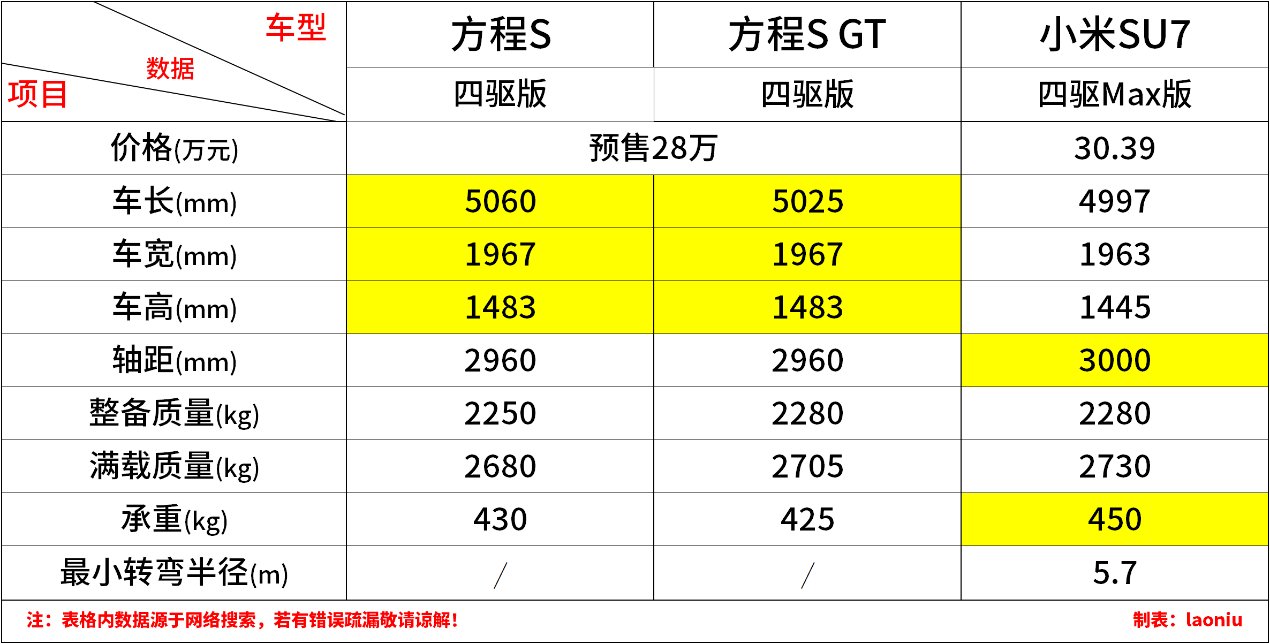
I personally prefer to determine a vehicle's class by wheelbase, so emotionally I lean toward placing the Fangcheng S GT slightly lower in class, and therefore a price difference of 20,000+ is also normal.
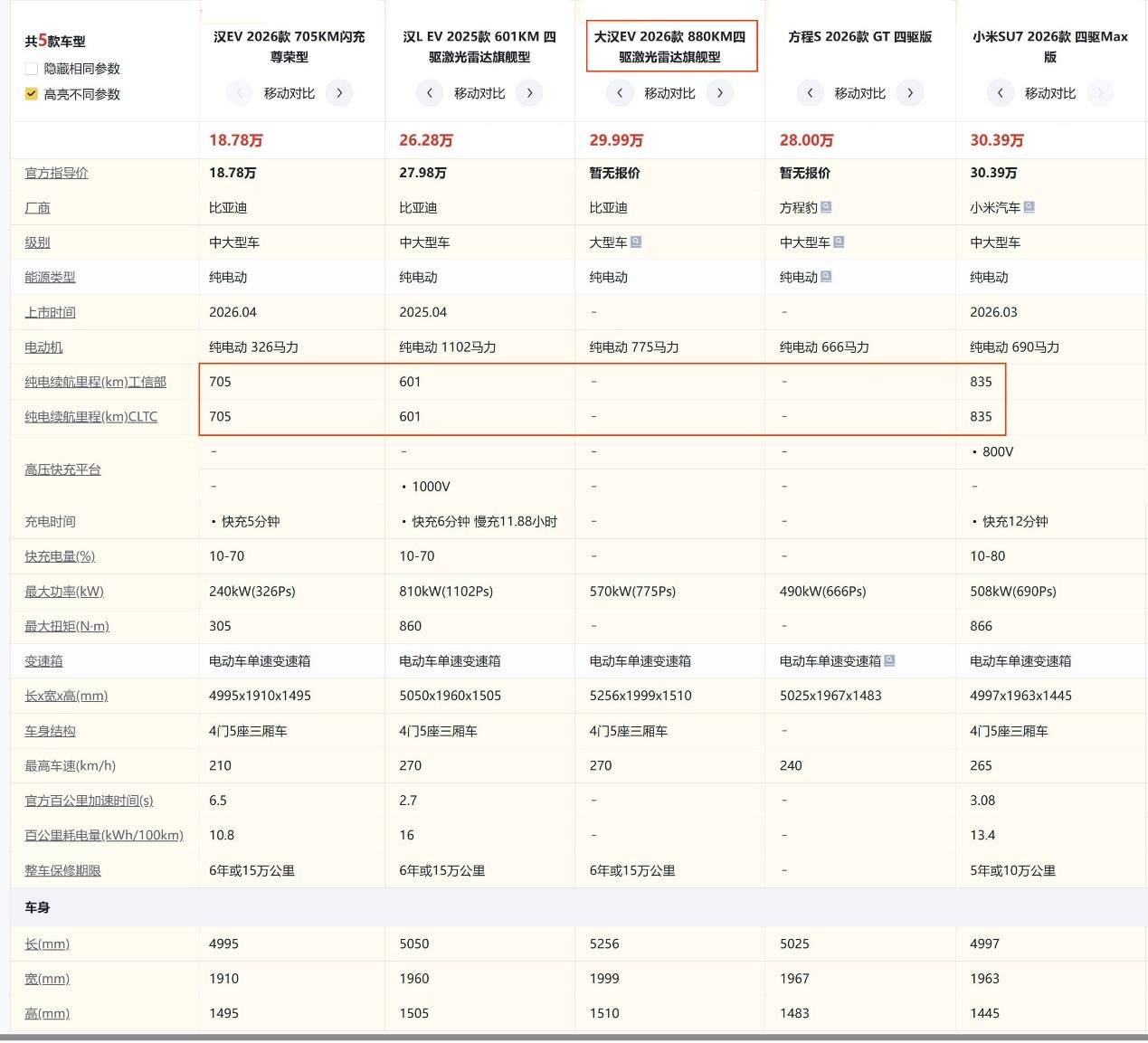
At the beginning, I mentioned "if the pure electric range could be extended to 800km+." Why did I say this?
On the one hand, there is currently no relevant information online about the Fangchengbao S GT;
On the other hand, for reference, the Han EV 705km Flash Charge Premium model has a CLTC pure electric range of 705km;
the Han L EV 601 all-wheel drive version has a CLTC pure electric range of only 601km;
But looking at the monthly sales of the Han EV over the past six months, July was the best figure, with monthly sales of only 2,533 units;
The sales of the Han L EV are also unsatisfactory, and I believe the likely reason is that the pure electric range is not long enough.
In the image above, the large Han EV appears to offer an 880km pure electric range. First of all, I hope the large Han EV sells well. Think back to those years in the 200,000-level new energy sedan segment, when the Han EV and Han DM achieved monthly sales of over 10,000 for a long time.
Now, possibly affected by numerous competitors, sales have declined quite seriously, but as an industry insider evaluating the product strength of the Han family, other dimensions are all slightly advantageous; only the pure electric range is relatively short, and I believe poor sales may be directly related to this;
Or the manufacturer may have thought of this too, so the large Han EV all-wheel drive version directly pushed the pure electric range to 880km. Coupled with the cost-performance advantage brought by a higher class, it should be said to possess the strength to "make a comeback."
Therefore, I said, or rather hoped, that the Fangcheng S GT should likewise push its pure electric range to 800km+, as only then could it move more of its target customers and achieve outstanding market performance.
Of course, from the perspective of the manufacturer's engineers, having already achieved the capability of "charging well in 5 minutes and fully charging in 9 minutes," there is indeed no need to carry a larger battery around. But from the consumer's perspective, whether there are flash charging stations nearby and whether third-party charging networks can achieve flash charging effects are all concerns. In addition, for example, the Han L EV is not cheaper than the Xiaomi SU7, so a longer pure electric range naturally becomes a competitive advantage.
Therefore, whether the Fangchengbao S GT can win this tough battle depends not only on "BYD flash charging technology + flash charging stations" and the increasingly user-friendly God's Eye assisted driving, but also on whether the pure electric range is long enough.
[Power Transmission]
In terms of power output, the Xiaomi SU7's electric drive system has a total output power of 508kW and total torque of 866N·m; currently, a certain automotive vertical website lists the Fangcheng S GT's electric drive system total output power as 490kW, with no total torque data.
However, regarding three-electric technology, I believe no one would think BYD is inferior to Xiaomi Auto. After all, the 30,000rpm motor should have been pioneered by BYD, and together with the second-generation blade battery and 1000V high-voltage platform, even if there is a slight difference in the two cars' 0-100km/h acceleration, based on the 20,000+ price difference between the two models, I believe most target customers can understand.
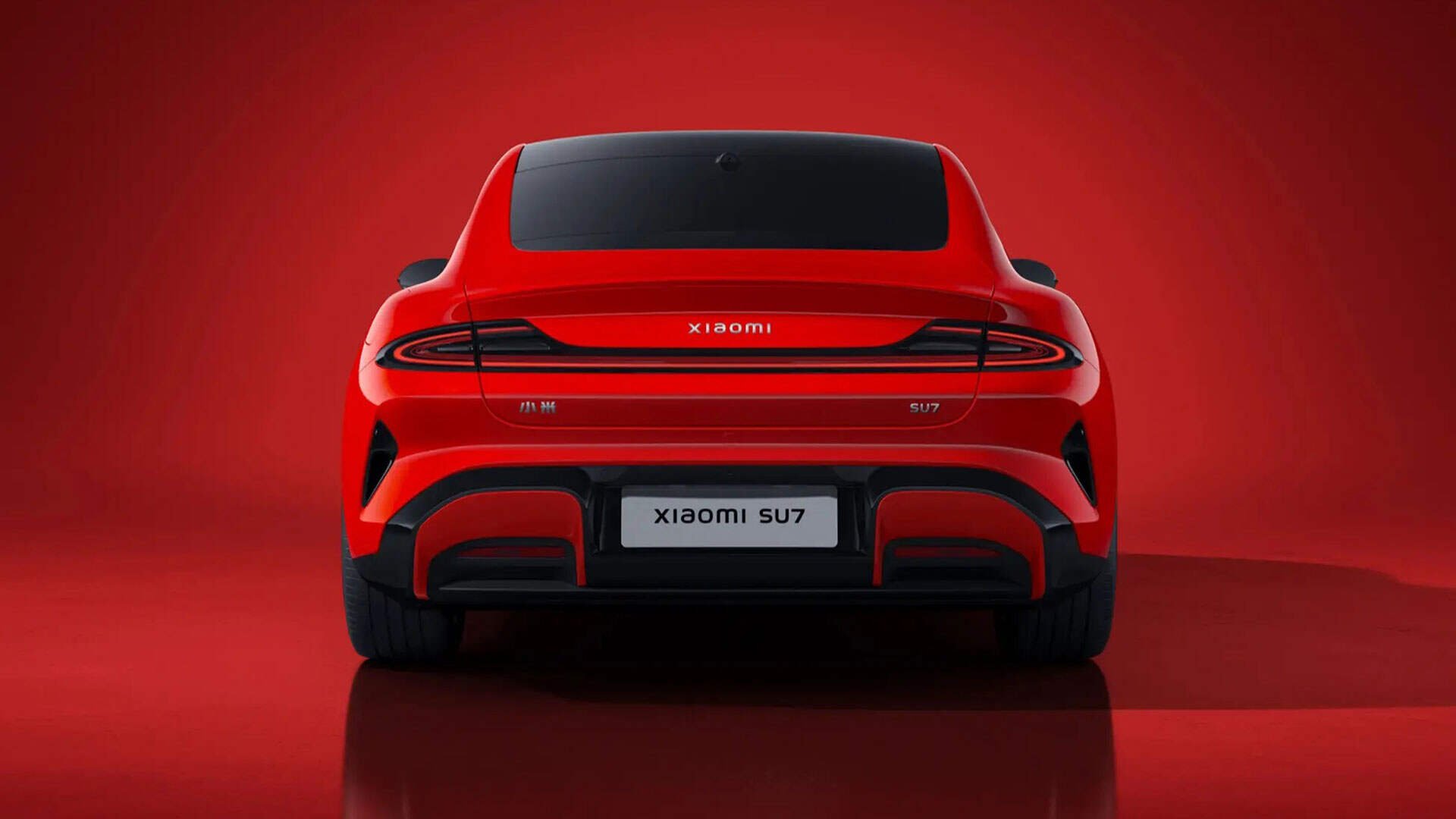
It is worth特别 noting that the Fangchengbao S GT's front wheel specifications are consistent with the Xiaomi SU7, both being 245/45R19; the Xiaomi SU7's rear wheel specification is 265/45R19, while the Fangchengbao S GT's rear wheel specification remains 245/45R19.
I do not know whether the Fangchengbao S GT will offer optional tires after launch. After all, with a 20,000+ price difference, if the hardware related to driving performance can be completed or even surpassed, that would make the competition more interesting.
[Power Battery]
The Xiaomi SU7 is equipped with a CATL ternary lithium battery, with a power battery capacity of 101.7kWh, a charging rate of 5.2C, and a 10%-80% high-efficiency charging interval replenishment time of only 12 minutes.
The Fangchengbao S GT should use the second-generation blade battery and should also be able to achieve "charge well in 5 minutes, fully charge in 9 minutes." Its charging and replenishment speed should have a slight advantage. What do you think?
Summary:
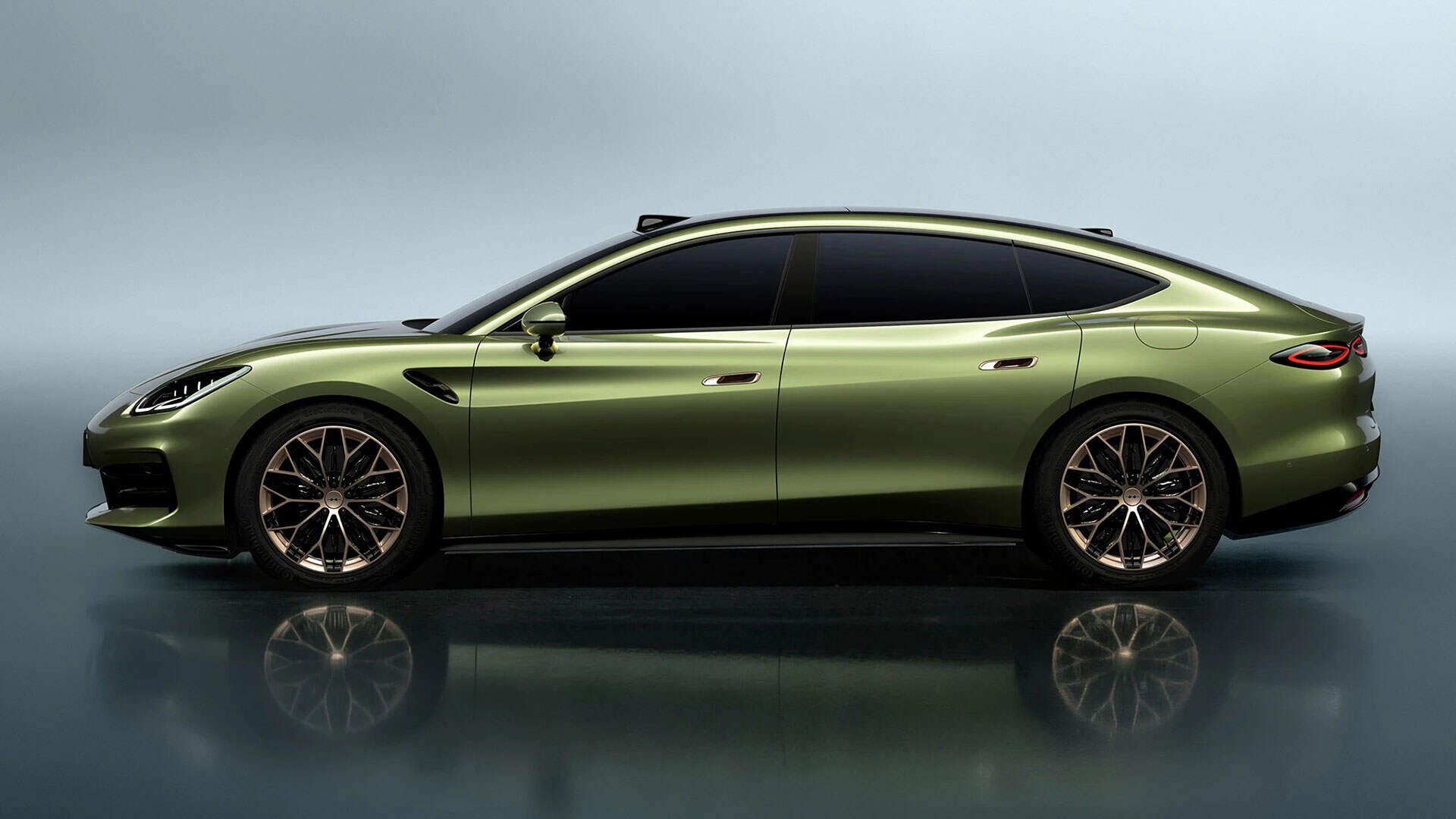
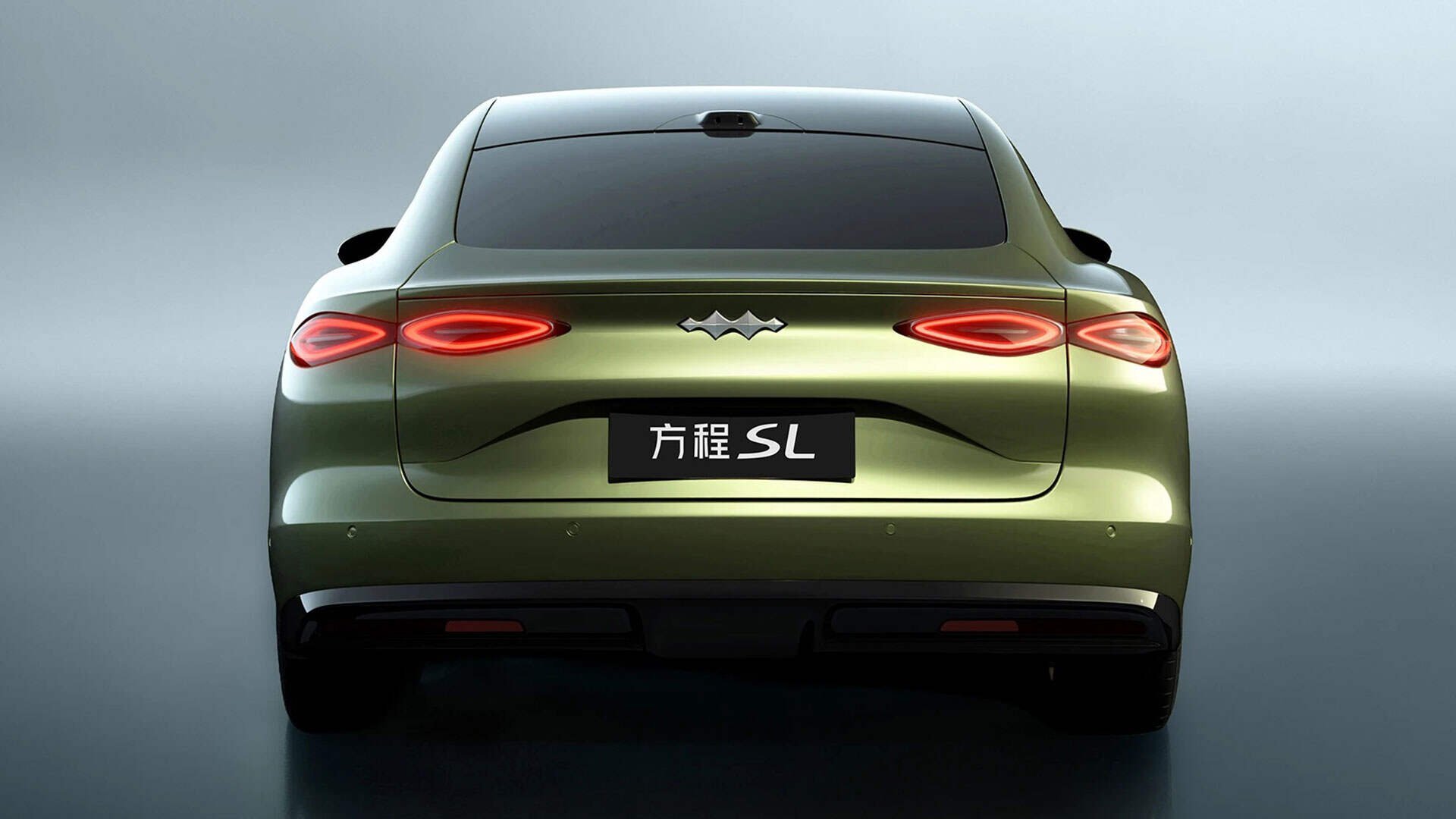
At the recent event, no Fangcheng S GT display car was found, so I looked for official images. The rear design of the GT version is still handsome enough.
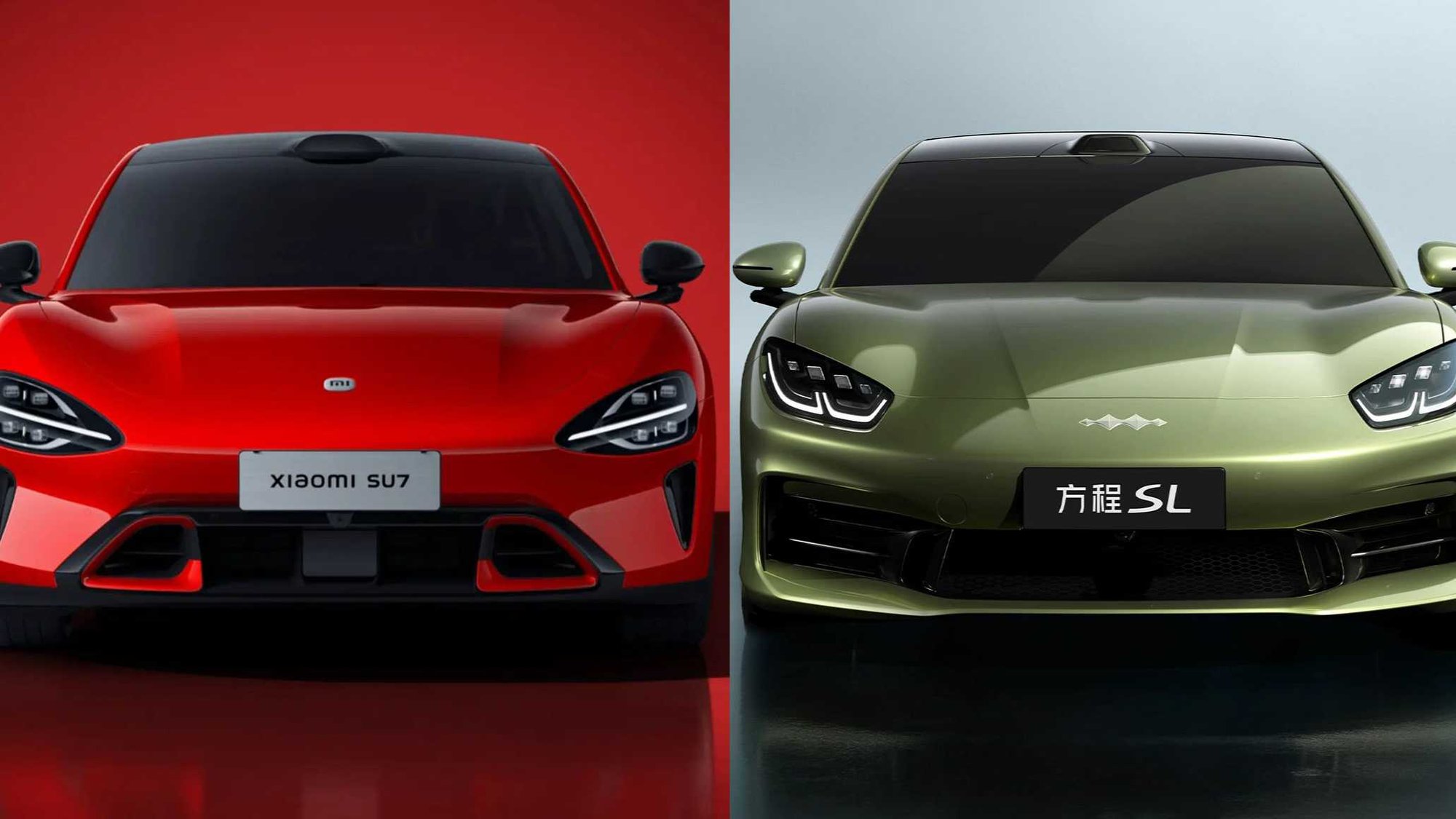
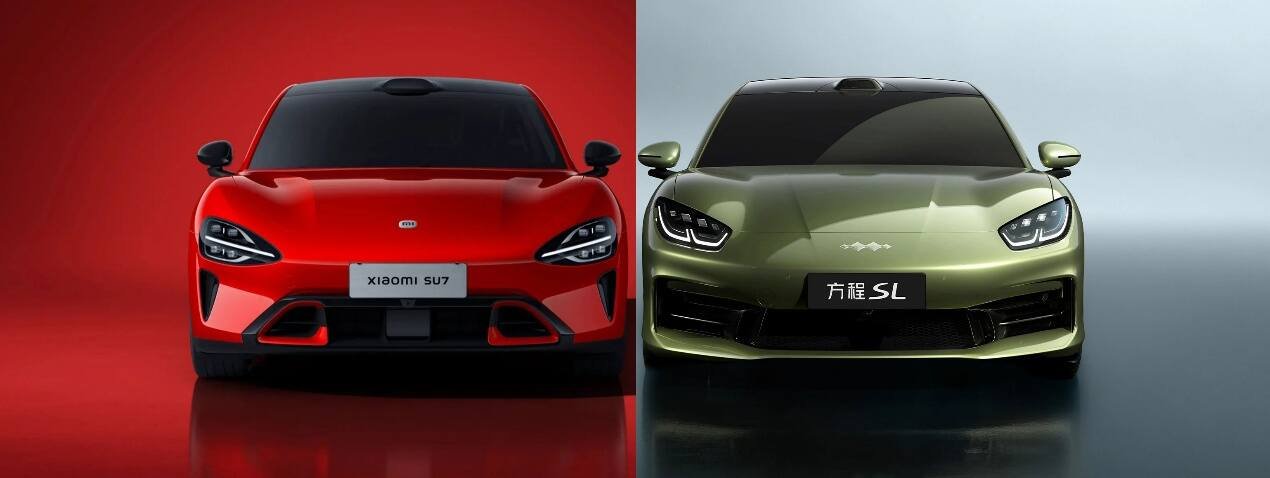
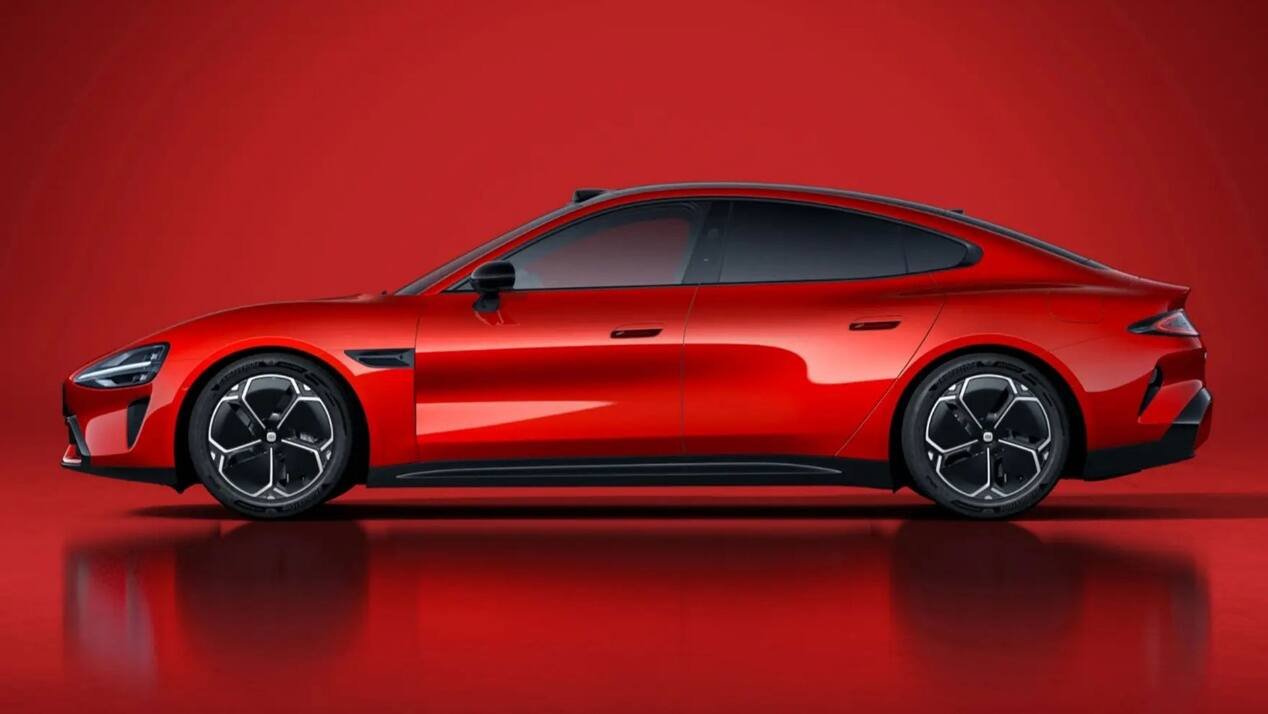
Previously, comparison images of the front and side of the two cars were also provided. Based on my aesthetic judgment, the two are basically on the same level in appearance. Although the Fangcheng S GT may not be able to provide irreplaceable emotional value to its target customers, confident people have a strong inner self and do not need external things to bolster them. Do you agree?
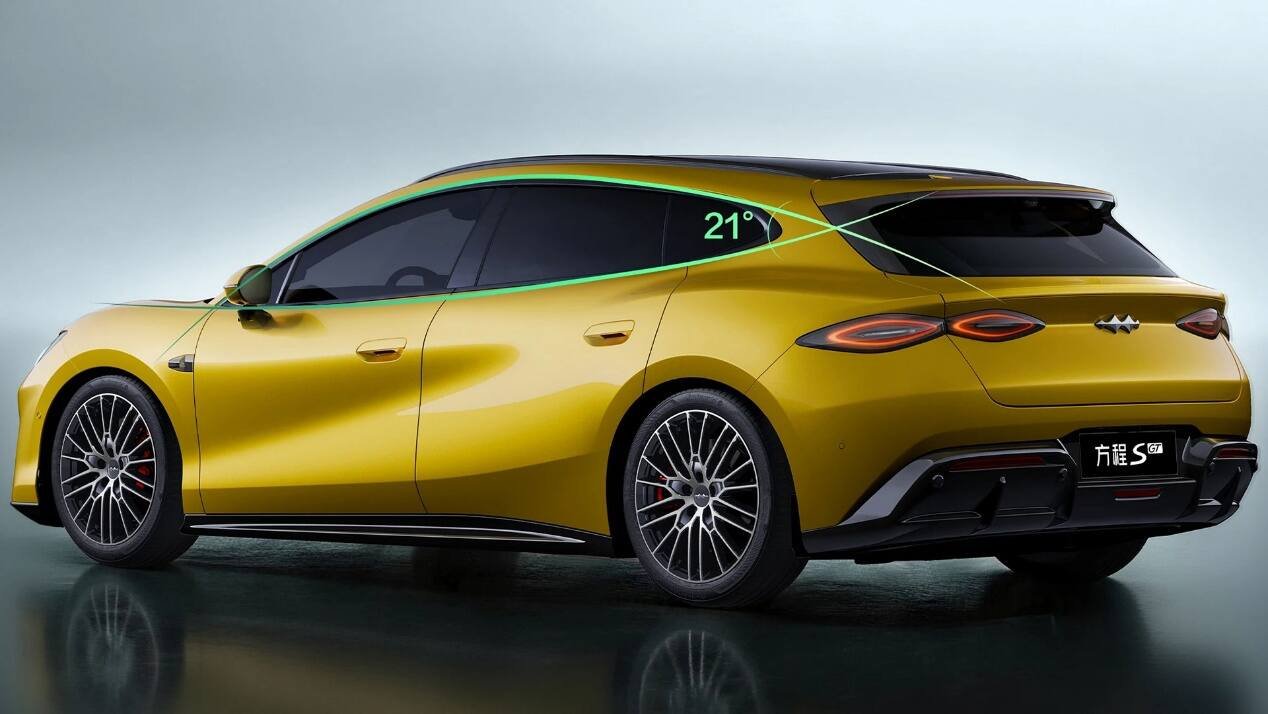
It is worth特别 noting that the Fangcheng S features a hatchback tailgate, so it has a slight advantage over the Xiaomi SU7 in loading convenience, and the loading advantage of the Fangcheng S GT version goes without saying.
Whether called a wagon or a shooting brake, in the era of new energy vehicles, domestic Chinese car consumers can enjoy the wagon versions that were prohibitively expensive in the era of internal combustion engine vehicles.
In one sentence, do you know how much the Mazda 6 wagon version sold for back then?
If you know, I believe you will think the Fangcheng S GT all-wheel drive version's price of 280,000 is quite reasonable, especially since it also has richer functional configurations, better acceleration performance, and battery-body integration technology with higher stiffness and torsional rigidity, thus bringing better driving and handling performance...
Today's car consumers are indeed much happier!
Note: Some images and data in this article come from the internet and will be deleted if infringing! This was written impromptu without review, so please forgive any errors or omissions!


