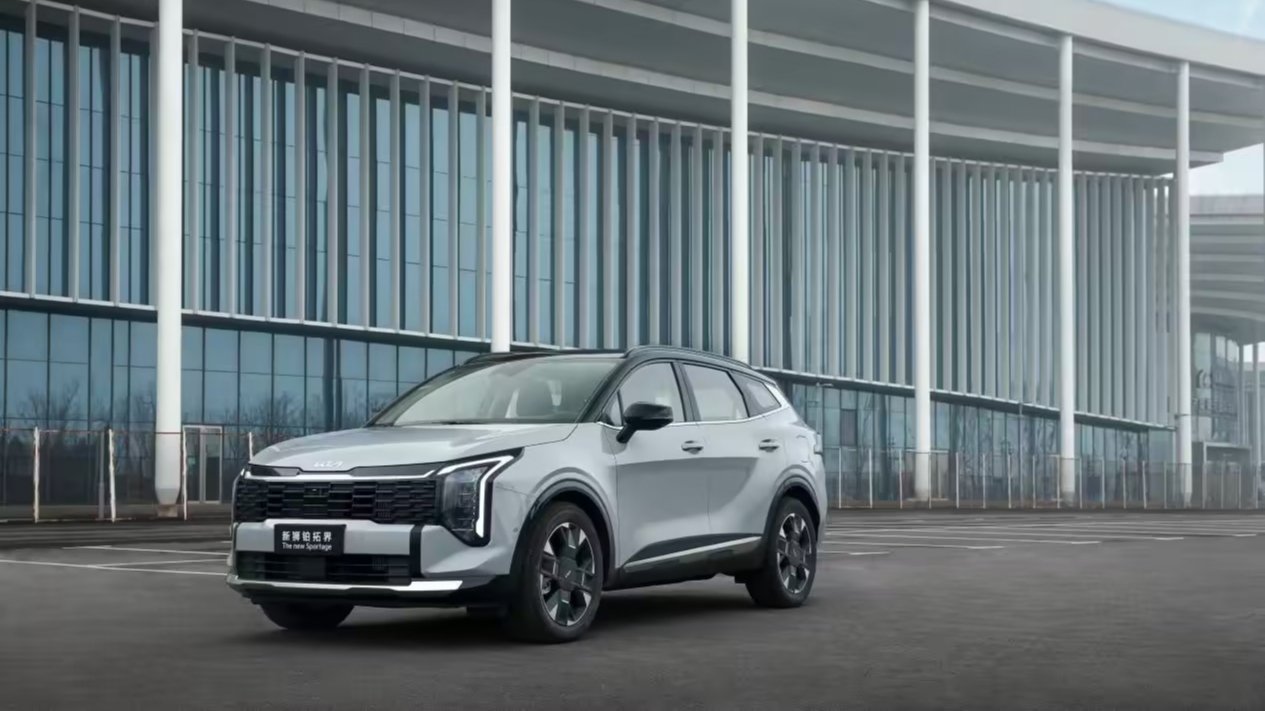
China's auto market is enormous, and consumer demands are becoming increasingly segmented. Even today, driving a mainstream joint-venture SUV is still the goal of many families. But reality is often disheartening: a compact joint-venture SUV suitable for family use with decent equipment typically costs over 150,000 yuan on the road. So for the growing number of people whose budget is stuck between 100,000 and 150,000 yuan, they can only take a few extra glances in the showroom and go home to run the numbers again.
The reason so many people still prefer joint-venture cars is that, in essence, what they value is not "face" but global reputation and proven maturity—given the same amount of money, they would rather buy something that has stood the test of time, with lower trial-and-error costs. The Kia Sportage is a typical example: it dates back to 1993, has gone through five generations, and has accumulated more than 8 million users worldwide. After the fifth-generation model entered the Chinese market in 2021, its Chinese name became "Lion Platinum Frontier."
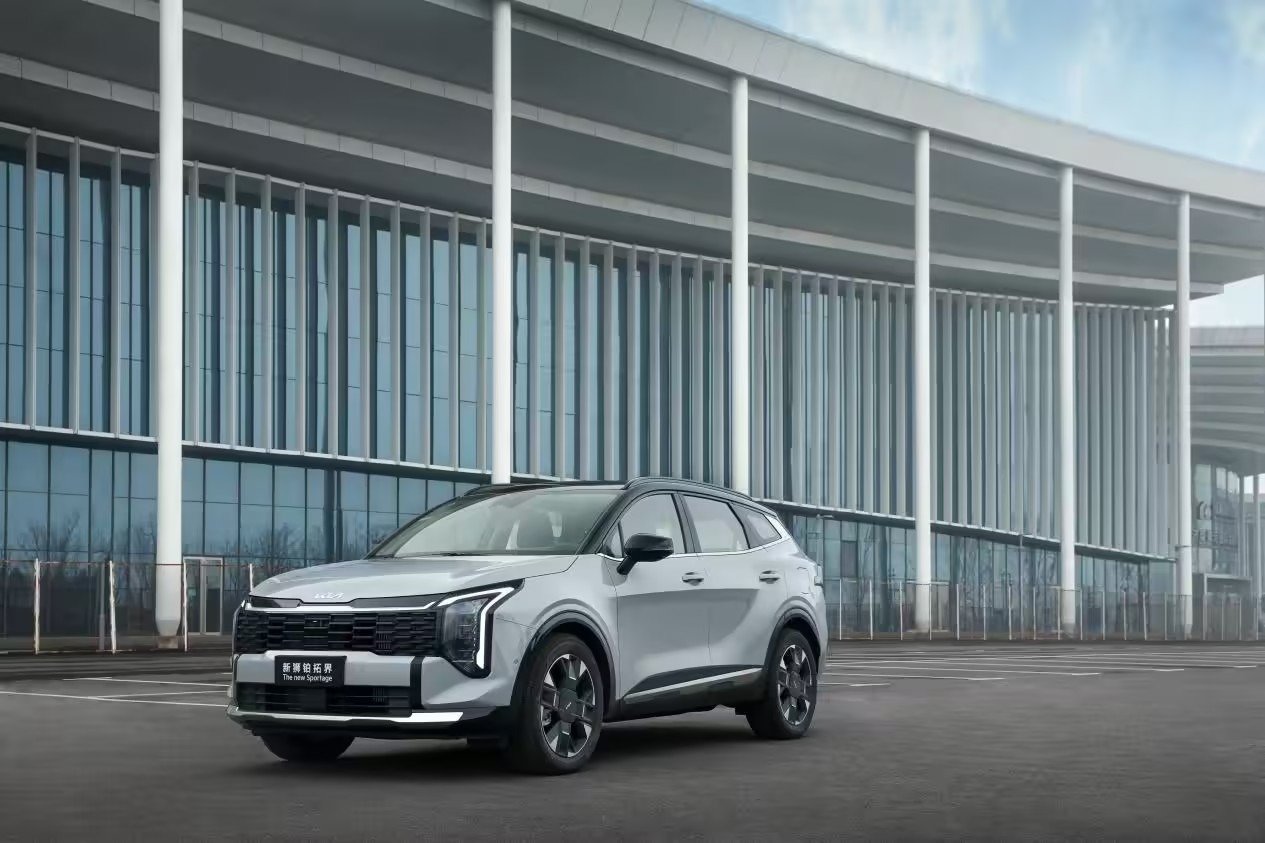
On March 5, the new Sportage received a mid-cycle facelift. The official guide price range is 154,900 to 217,900 yuan, still following the pricing logic of joint-venture brands, but the key is that it simultaneously offers a limited-time "renewal one-price" deal (valid until April 30): the starting price drops directly to 109,900 yuan, with discounts of up to 45,000 yuan.
In China's increasingly competitive auto market, joint-venture brands are also starting to become more pragmatic. Once the price lowers the threshold, consumers actually feel more relaxed—no need to agonize over "is it worth it," just focus on the product itself: Are its mechanical qualities solid enough? Are space and comfort sufficient for family use? Can smart features keep up with the mainstream? Let's break it down along these lines.
Mechanical performance is the foundation: self-developed powertrains, a new enough platform—first earn that "initial trust"
The core of a fuel vehicle always comes down to the "big three": engine, transmission, and chassis. Many people choose mainstream joint-venture brands precisely because they want this system to be mature and stable.
Kia has long held its ground in the global market, and its core technology accumulation is not thin. As the brand's flagship model, the Sportage's chassis platform comes from the third-generation i-GMP, which is itself one of the more advanced architectures of the Hyundai-Kia group, with advantages in structural optimization and a comprehensive balance of space, handling, and safety, giving the first impression that "the foundation is not outdated."
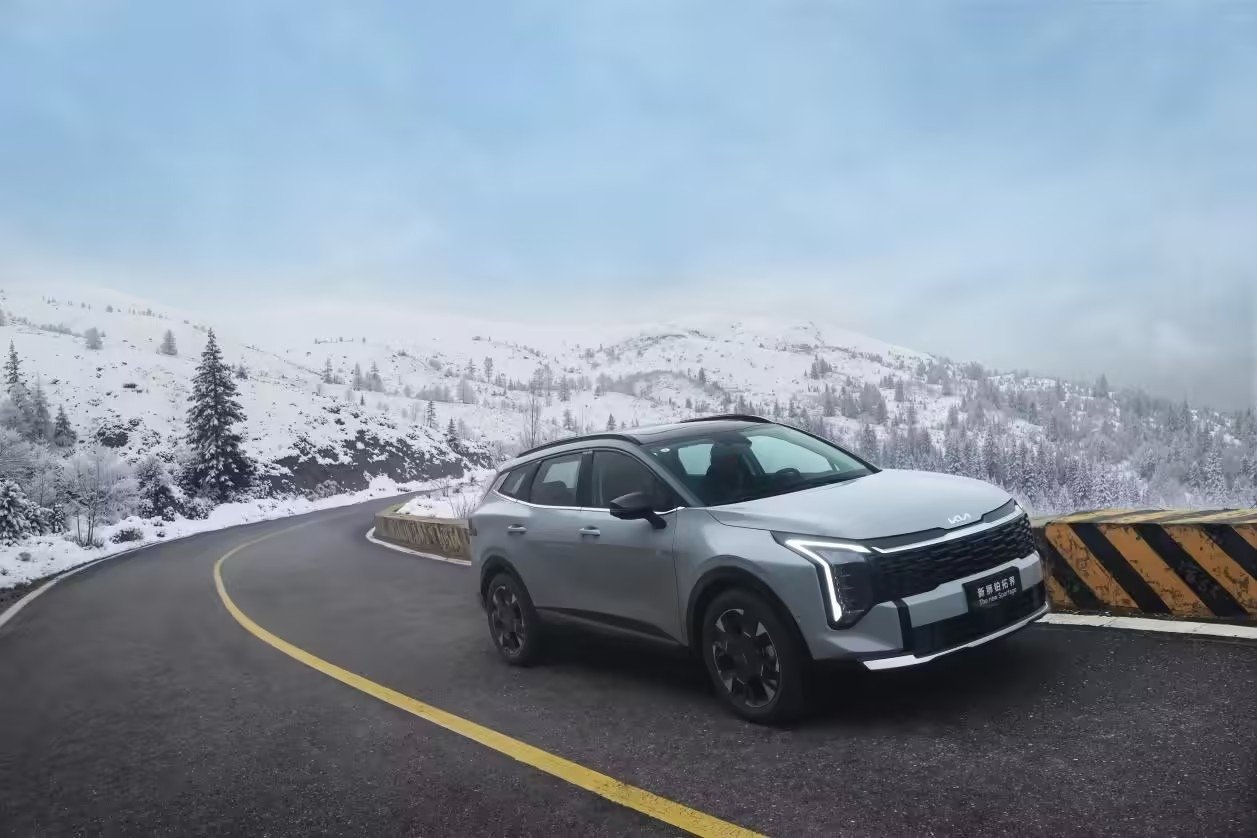
In terms of power, the new Sportage offers two powertrains: 1.5T-GDI and 2.0T-GDI.
The 1.5T-GDI features Kia's fourth-generation CVVD technology, with a peak of 200Ps and 253N·m, and WLTC fuel consumption of about 7L, making it a typical "good for family use" type: not sluggish in power, not exaggerated in fuel consumption, and easier to balance daily commuting with family trips.
If you care more about acceleration and mid-to-high-end burst power, you can go for the 2.0T-GDI version: 245Ps and 353N·m, capable of 0-100 km/h in the 7-second range, with more ample reserve in the higher end, suitable for users who "occasionally want to have some fun."
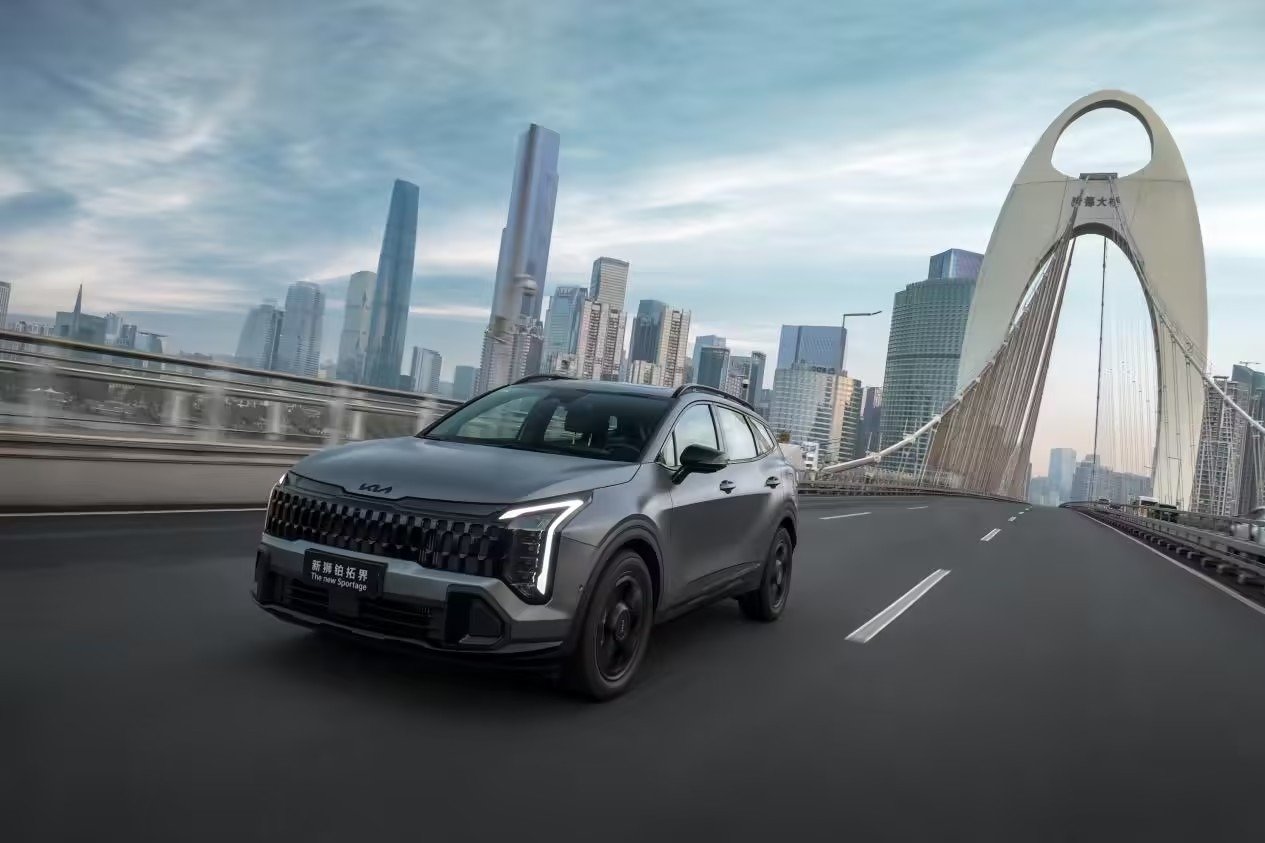
The transmission is matched with Mobis' 8AT (self-developed by the group). The selling points of this 8AT are clear: transmission efficiency of up to 91.7%, emphasis on durability (over 300,000 km), and easier smooth calibration matching with self-developed engines. In its class, while many rivals still use large numbers of DCTs or CVTs, the smoothness and adaptability of the 8AT are indeed more likely to appeal to traditional fuel-vehicle users.
On the safety front, it also provides "hard endorsement": it received the 2025 TOP SAFETY PICK+ highest rating in the latest U.S. IIHS crash safety tests. Such awards carry significant weight, at least showing that it is not "just going through the motions" in structure and active safety systems.
Space and design complete each other: practical, but also worth a second look
Once mechanical quality passes muster, many family users immediately turn their attention to the second layer: space, comfort, looks, quietness, and equipment—in short, "practical, comfortable, and pleasant to look at."
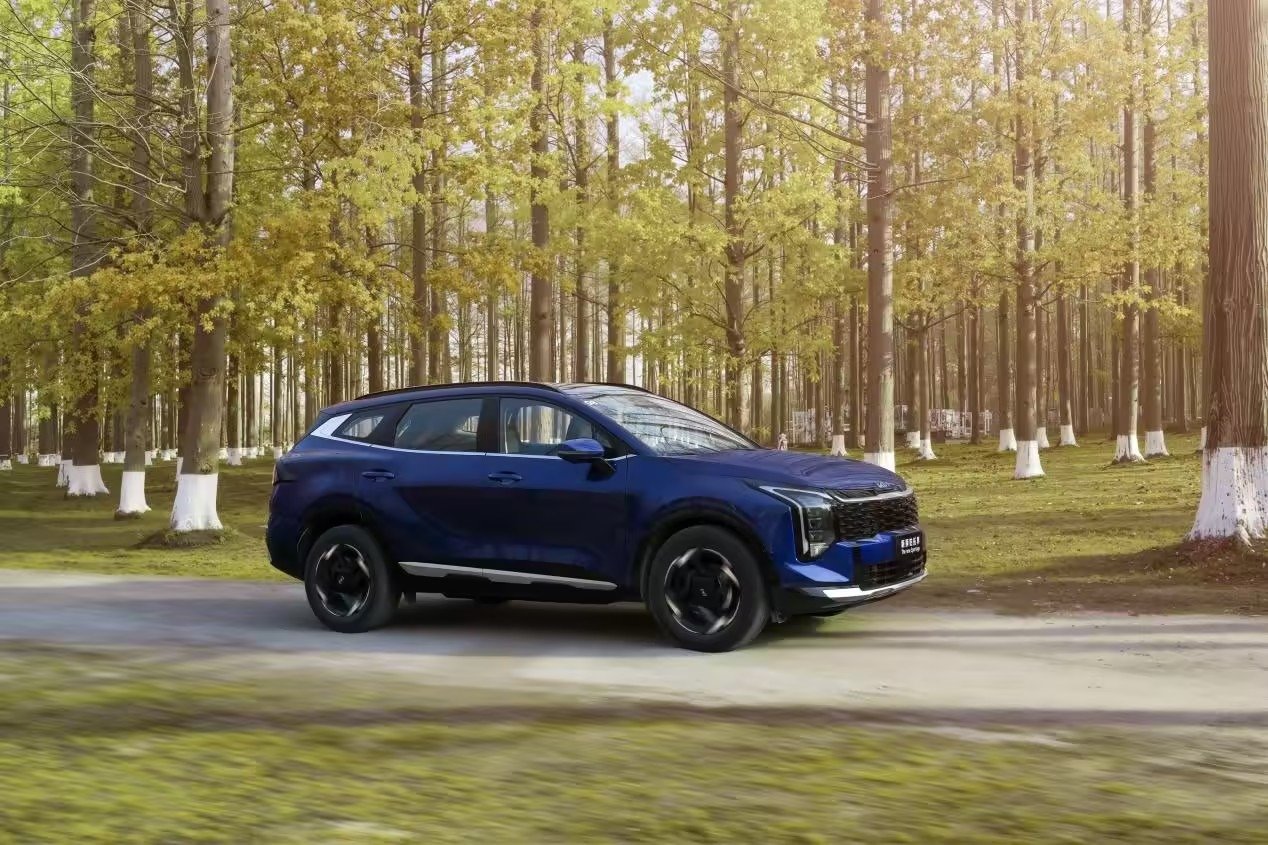
The new Sportage takes a typical family-oriented approach to space. Thanks to the structural and layout optimization of the i-GMP platform, the body length is increased by 25mm, with overall dimensions of 4695/1865/1680mm and a wheelbase of 2755mm, which is quite competitive in its class. In terms of passenger experience, rear headroom is about 1000mm and legroom about 1050mm, plus a 545L trunk, making it friendlier for family trips, strollers, camping gear, and similar scenarios.
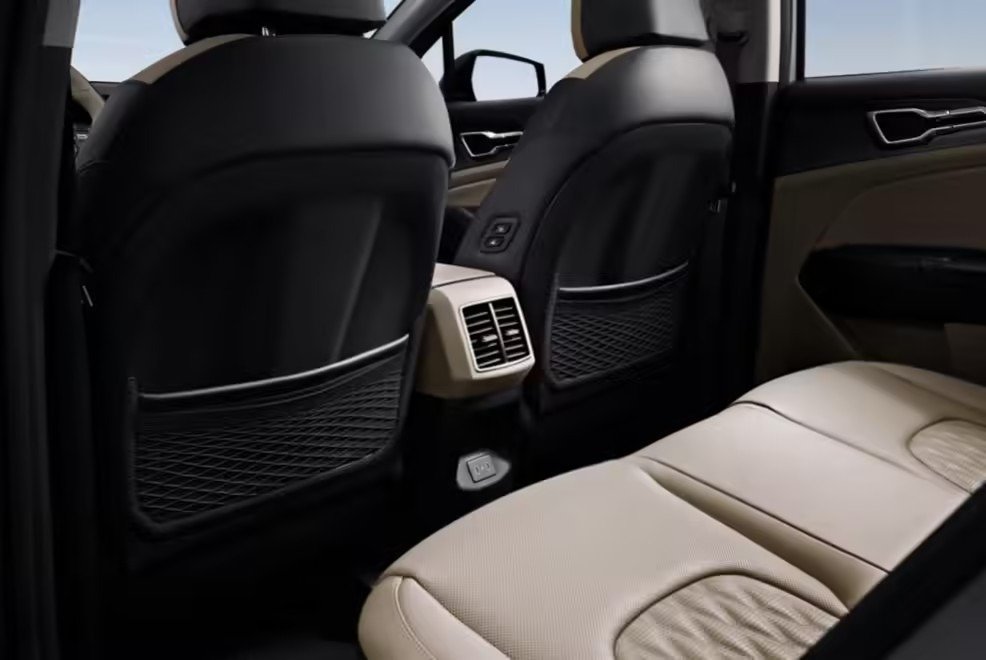
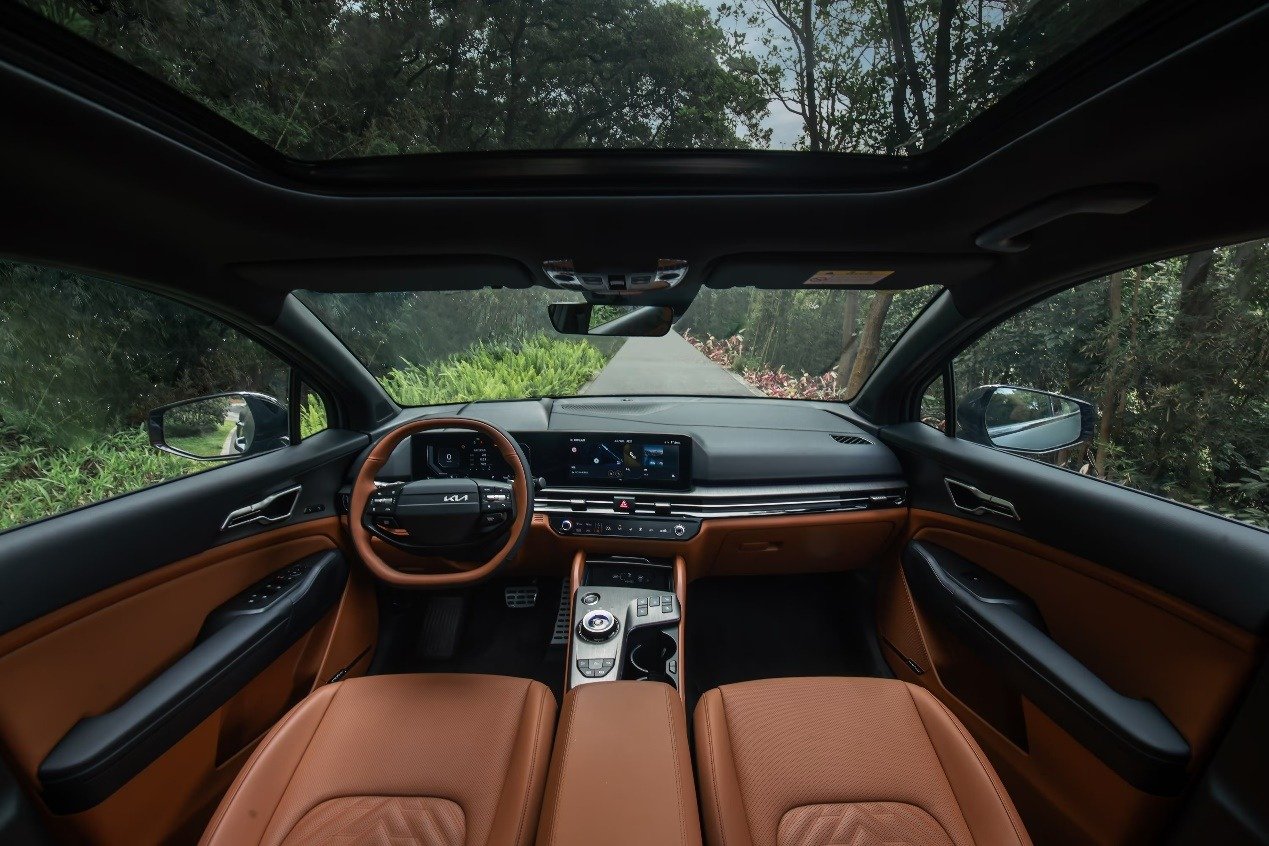
Comfort features also lean toward "taking care of everyone": the driver's seat has 6-way adjustment + 2-way lumbar support, the front passenger seat offers a rear-seat power adjustment (boss key) rarely seen in its class, the rear seatback supports multi-level adjustment, and there are rear independent air vents, so you can feel once you sit in it that "this is not a stripped-down approach."
In terms of quietness, ANC active noise cancellation and double-layer laminated glass are standard across the range—in a joint-venture compact SUV, this is a fairly substantial bonus. With a quieter cabin, paired with Harman Kardon audio, the experience becomes more complete.
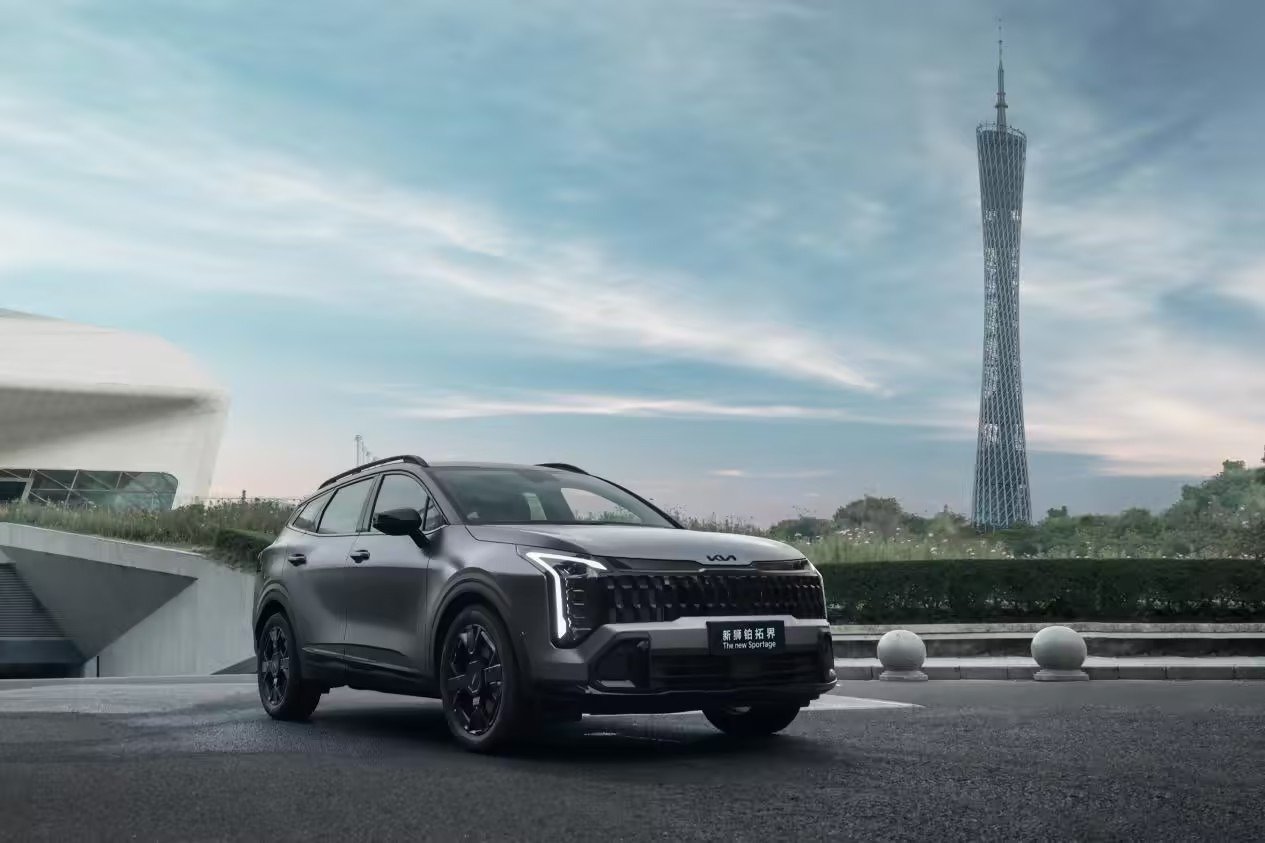
Emotional value has also become increasingly important in recent years. The new Sportage continues the tiger-nose family design while incorporating the new concept of "opposition and unity," making the front face less "conventional" than traditional fuel vehicles and closer to the aesthetics of the new-energy era. For colors, it offers 7 single-tone and 4 two-tone options, with new additions including Frost Gray and Deep Sea Blue. It also debuts the X-Line sport design package: black roof, exclusive interior, black badges, 19-inch black wheels, 8-speaker Harman Kardon audio, and blacked-out optimization in 15 details throughout the vehicle, clearly giving an answer on "sporty atmosphere."
Intelligent driving assistance fills the gap: L2 upgrade is substantial, more practical
Fuel vehicles are often criticized for intelligence, but the trend is clear, and traditional automakers are accelerating to catch up. The new Sportage is equipped with L2-level driving assistance, and the upgrades are fairly concentrated, with the goal of bringing the experience back to mainstream levels.
It adds HDA2 Highway Driving Assist II, supporting lane-change assist control to achieve "turn-signal lane change," and actively offsets when vehicles in adjacent lanes approach, providing a more generous lateral safety margin.
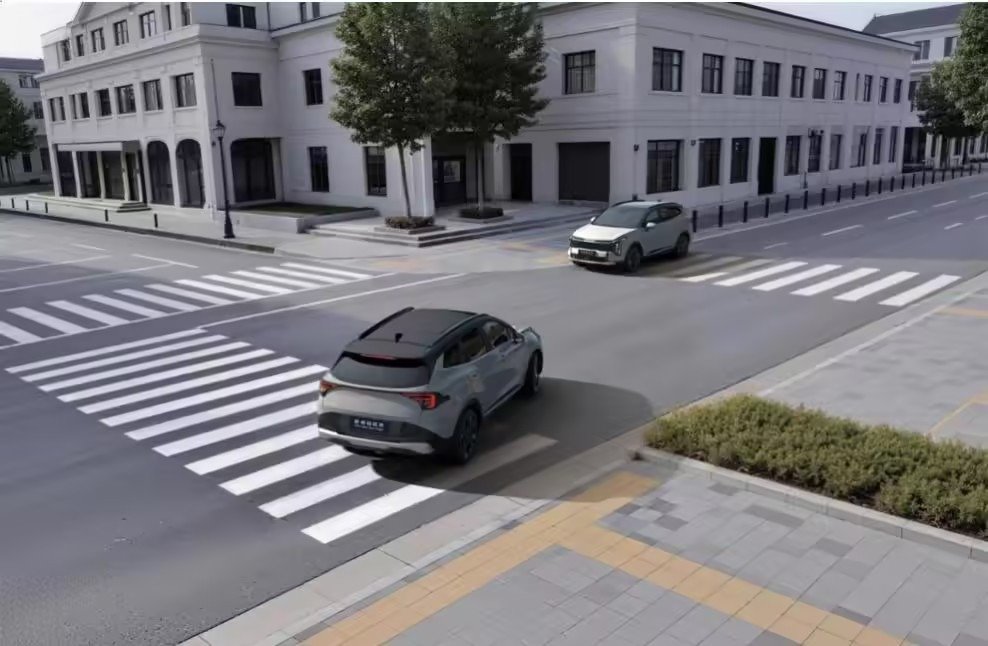
At the same time, multiple functions are upgraded: LFA2 Lane Following Assist II adds HOD hands-off monitoring; SCC2 Smart Cruise Control II adds emergency braking capability; FCA2 Forward Collision-Avoidance Assist II adds four major protection scenarios, covering crossing vehicles, side-approaching vehicles, oncoming vehicles during overtaking, and can warn and assist avoidance for risks from vehicles, two-wheelers, and pedestrians at lane edges.
Additionally, RSPA remote smart parking assist is newly added, making it friendlier for beginners. Kia has been developing ADAS globally for quite some time, and this time it feels more like bringing its accumulated work to the table at once, emphasizing safety and usability rather than just piling on concepts.
How to choose more cost-effectively: focus on the 1.5T Luxury and 1.5T Prestige
Family users generally pursue balance and cost control, so the 1.5T is usually the optimal solution. The 1.5T Luxury and 1.5T Prestige are especially recommended; if you have higher power requirements, then consider the 2.0T.
The 1.5T Luxury has a guide price of 159,900 yuan and a limited-time "renewal one-price" of 114,900 yuan. It costs 5,000 yuan more than the entry Comfort version, but the equipment improvements are closer to "must-haves": newly added remote smart parking assist, 360° surround view, and side blind-spot view, balancing convenience and safety; it also has an openable panoramic sunroof, power driver's seat adjustment, front seat heating (optional), front double-layer acoustic glass, roof rails, and more, belonging to the "spend a little to complete the experience" category.
Compared with the old model, the effort is even more evident: the 2025 1.5T Luxury has a guide price of 179,800 yuan, while the new car is not only cheaper but also adds 11 equipment upgrades. Roughly converted, the value of the newly added features exceeds 10,000 yuan, making it a fairly aggressive strategy.
If you care more about intelligent driving assistance and comfort/convenience, the 1.5T Prestige is more suitable: it costs 10,000 yuan more than the Luxury, but the "renewal one-price" is only 124,900 yuan. It adds 8 advanced driving assistance functions and completes front seat heating, 4-way power front passenger seat, power tailgate, wireless phone charging, and more. Compared with the old model, it achieves 13 equipment upgrades, with added value exceeding 12,000 yuan; together with comfort-advanced features such as the boss key, the vehicle's "premium feel" and convenience are more complete.
Summary
The new Sportage's approach is very clear: use a mature platform and self-developed powertrain/8AT to establish its mechanical foundation, then use class-leading space, quietness, and intelligent driving assistance upgrades to complete the family experience, and finally use a limited-time "one-price" starting at 109,900 yuan to push the threshold of a joint-venture SUV directly into the main battlefield of 100,000-150,000 yuan. For family users with a budget of 100,000-150,000 yuan, who prefer fuel-vehicle usage scenarios, and emphasize durability and practicality, this car is indeed worth serious consideration.


