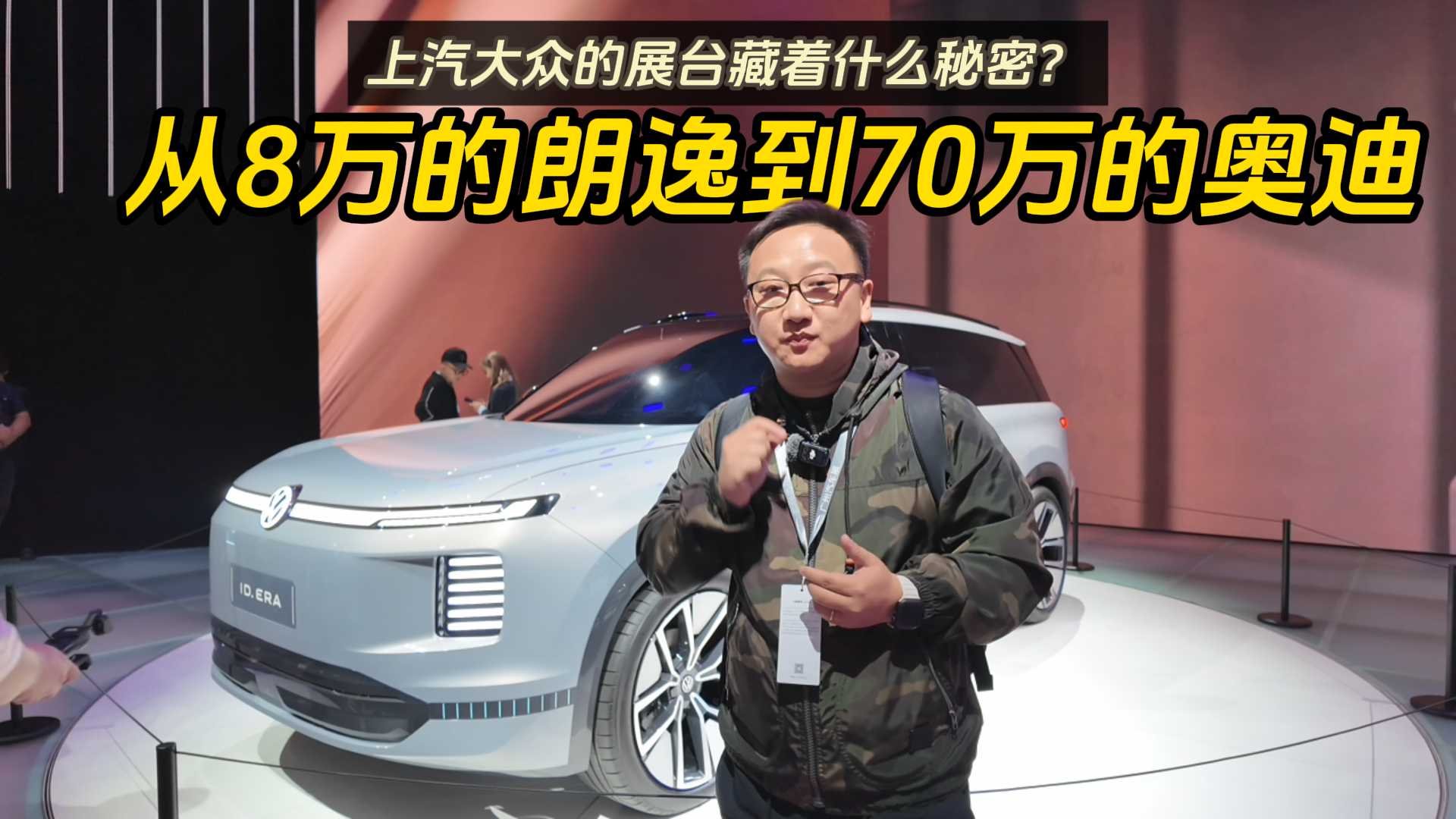
The Guangzhou Auto Show has already kicked off. Although new energy vehicles are all the rage now, when Da Ge walked into Hall 1.1 of the Guangzhou Auto Show, he found that the SAIC Volkswagen booth was more crowded than expected.
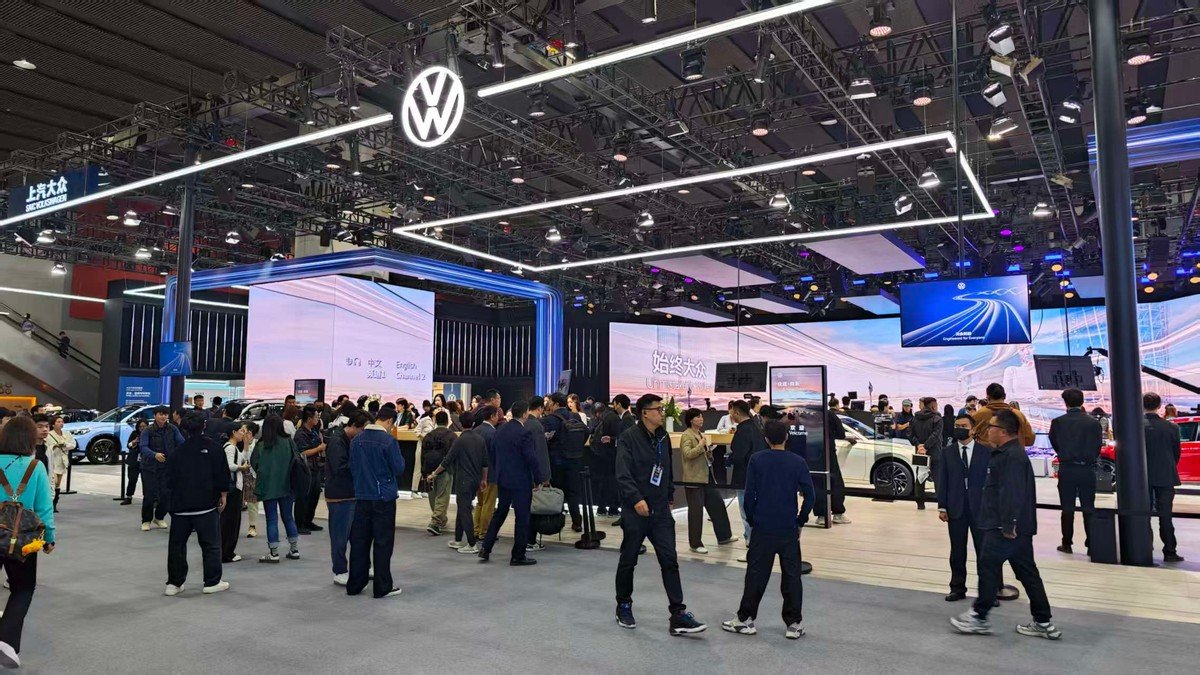
As the final battle of the year, what kind of secrets are hidden in this veteran joint venture automaker's booth layout, and what obvious signals does it reveal? Da Ge starts with the models:
ID. ERA Concept Car: A Key Move on the Range-Extender Path
The C position of the booth is still occupied by the ID. ERA concept car, but this time its significance is completely different from half a year ago at the Shanghai Auto Show. Staff confirmed that the production plan for this full-size range-extended SUV has made substantial progress.
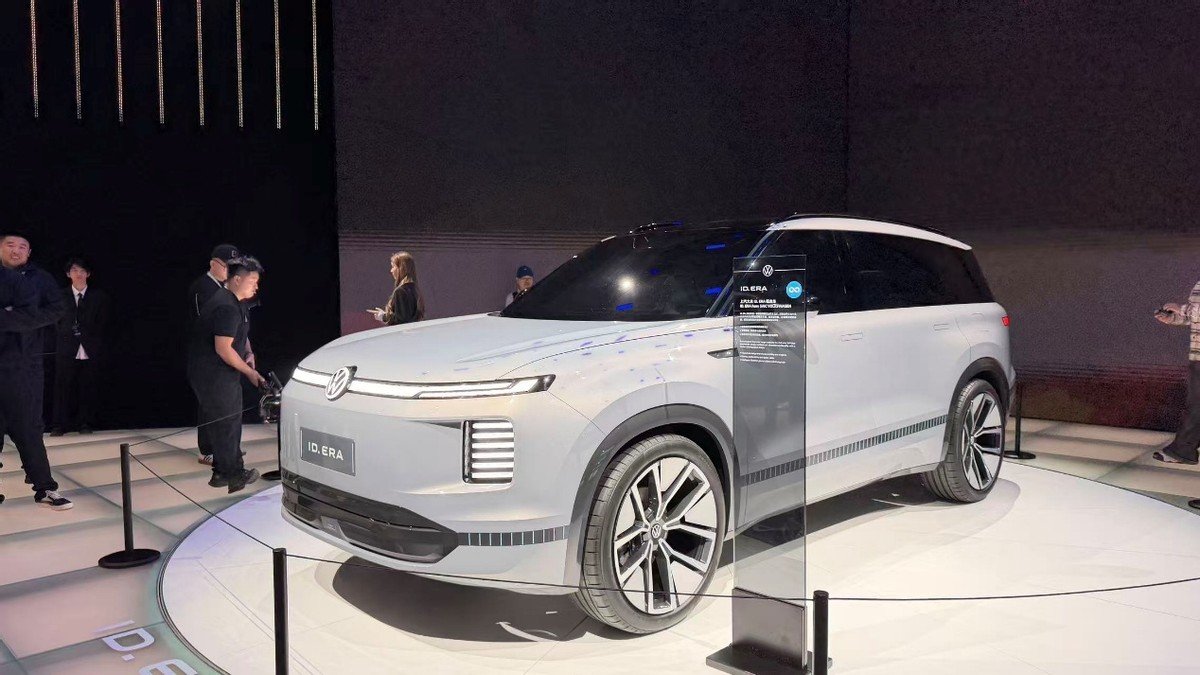
Judging from the actual vehicle on site, the interior layout close to production and the mature body craftsmanship both indicate that this car is no longer停留在 the concept stage.
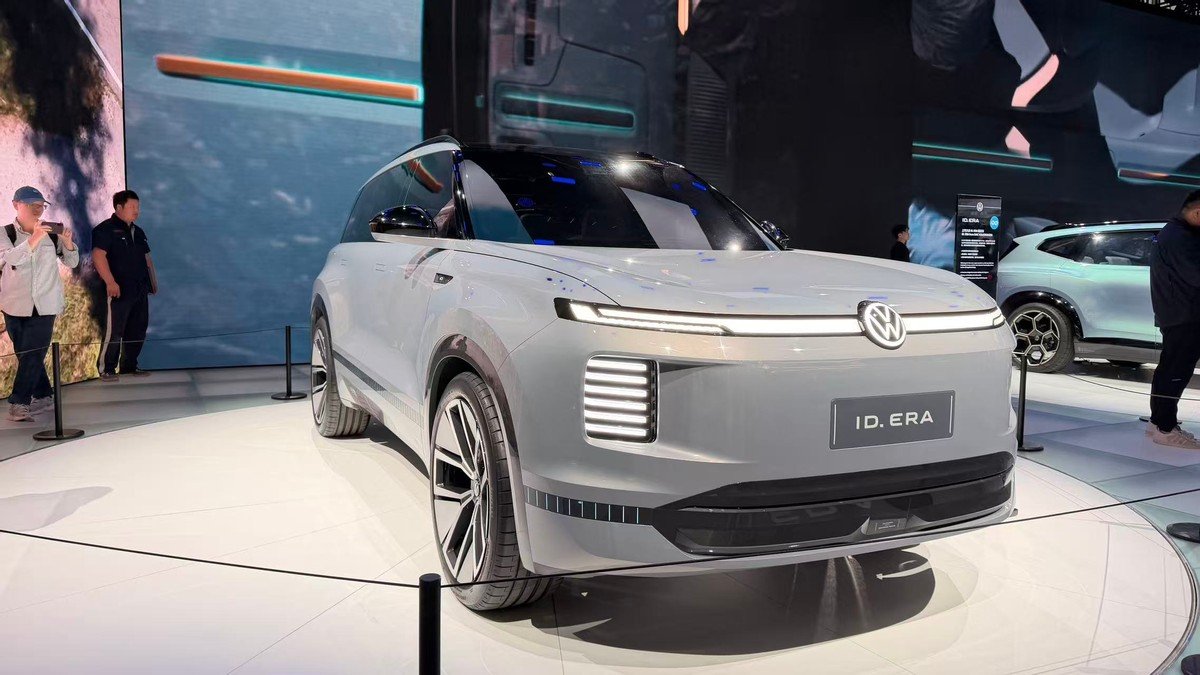
For the Volkswagen system, the ID. ERA represents an important supplement to its technology roadmap. As the growth rate of the pure electric market slows, range-extender technology is becoming a new growth point in the Chinese market. This car not only completes SAIC Volkswagen's product matrix of "fuel, electric, and hybrid" advancing together, but also marks that joint venture brands have become more flexible in choosing localized technology routes.
Pro Family: A Realistic Sample of Intelligent Fuel Vehicles
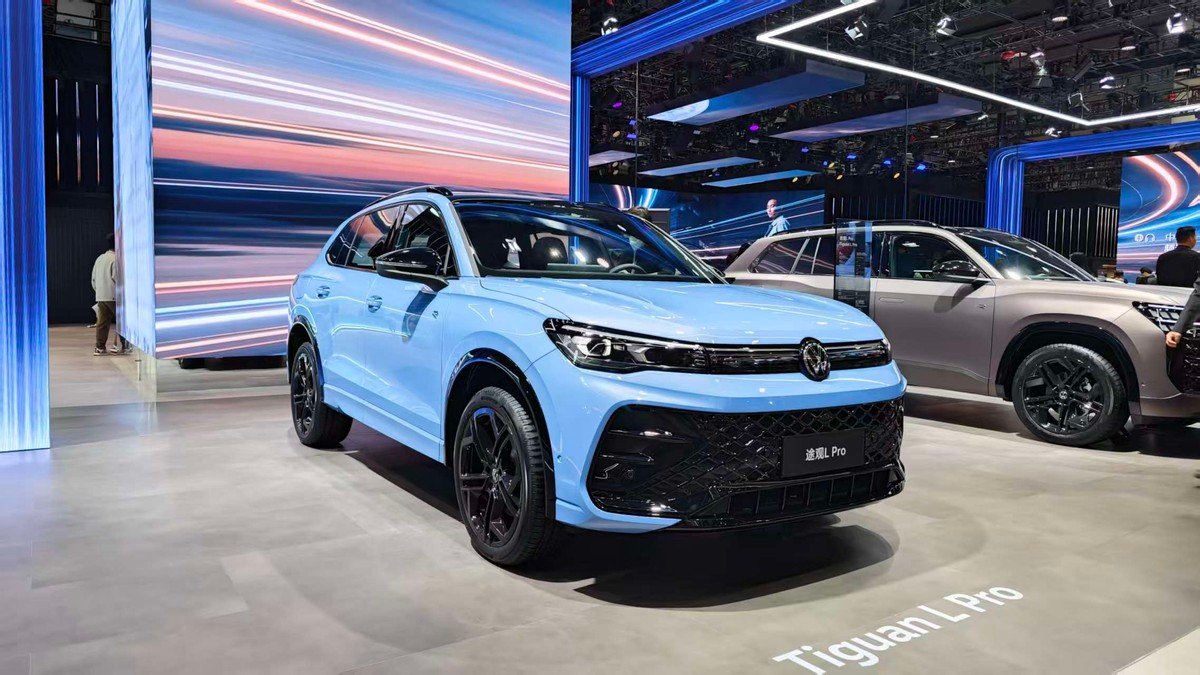
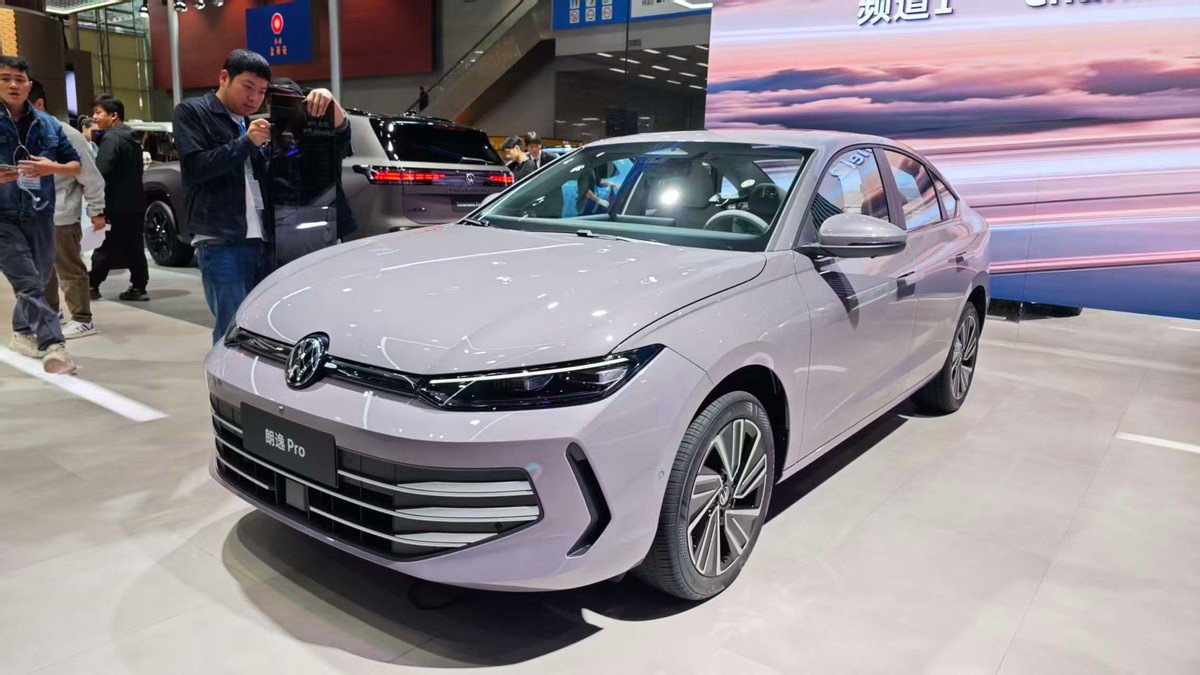
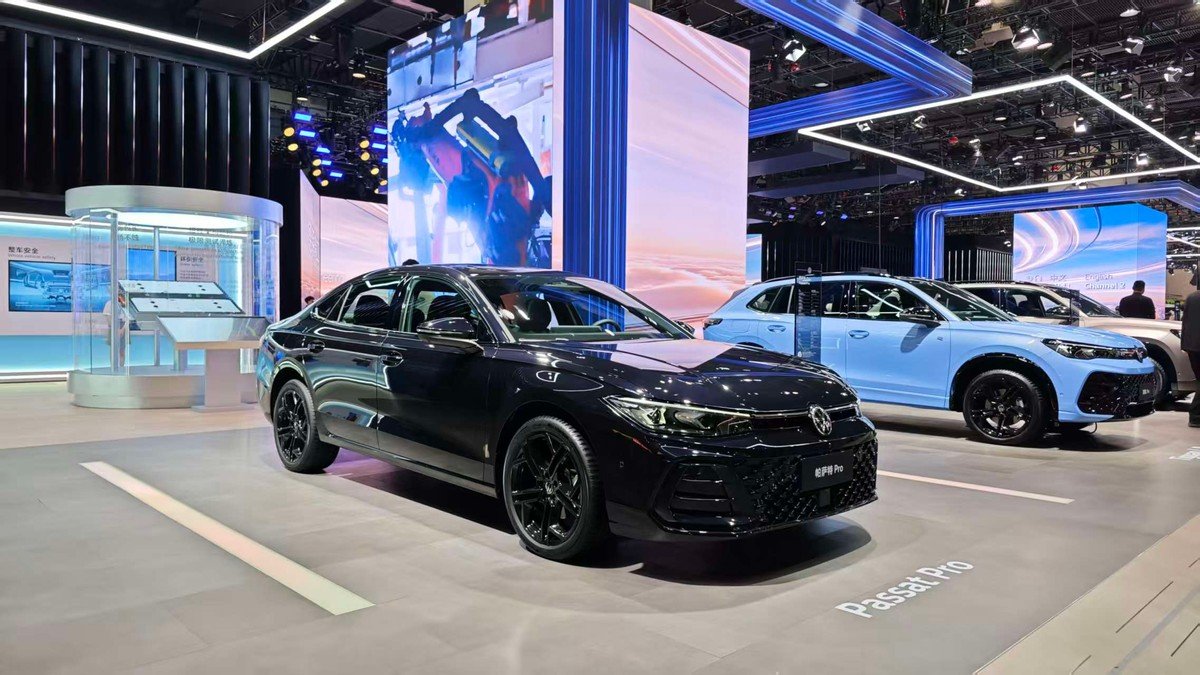
Moving to the Pro family exhibition area, the "intelligent fuel vehicle" matrix composed of Lavida Pro, Passat Pro, Tiguan L Pro, and Teramont Pro showcases SAIC Volkswagen's understanding of the mainstream market.
The recently launched Lavida Pro deserves special attention. While retaining the classic dual front-face design, its 4720mm body length brings it into the A+ segment. More critically, the delegation of intelligent features—the Qualcomm 8155 chip and the infotainment system based on the MQB-EVO architecture—allows this "national family sedan" to catch up with new energy competitors in intelligent experience.
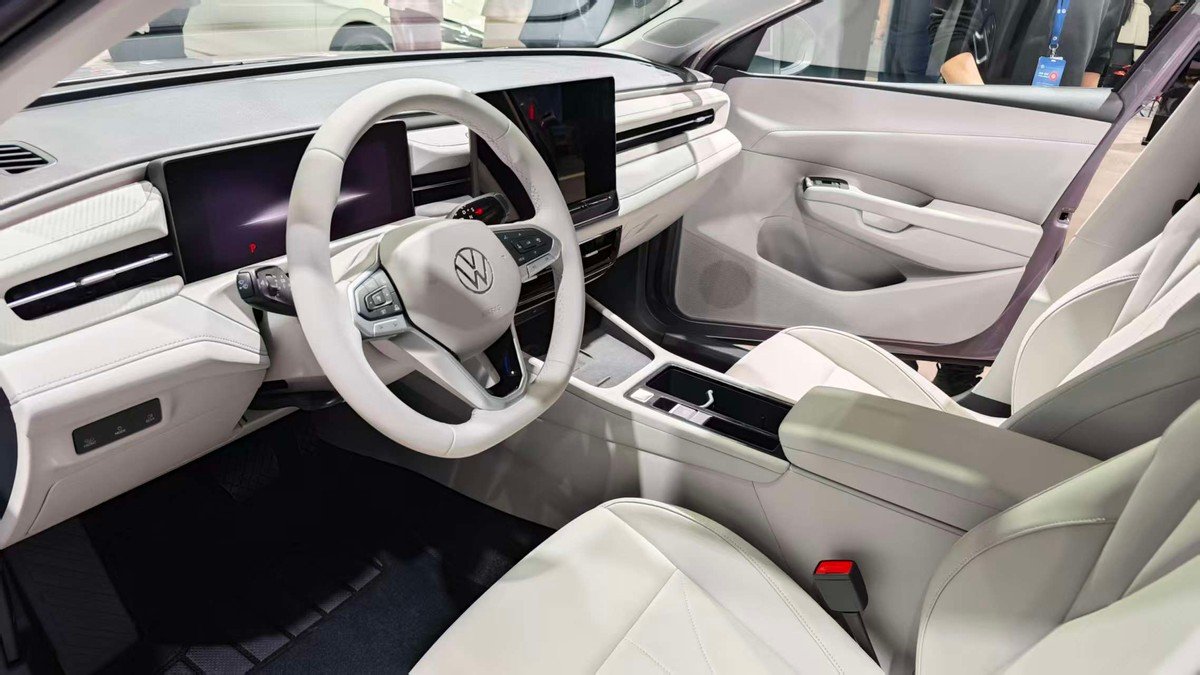
Da Ge experienced the Lavida Pro's infotainment system on site, and the sliding smoothness and voice response speed are indeed significantly improved compared with the previous generation. Especially the deeply integrated Tencent ecosystem, from in-car WeChat to Tencent Travel, offers functional choices that are closer to the actual usage habits of Chinese users.
SAIC Audi: A High-End Attempt with Two Tracks in Parallel
Passing through the connecting corridor to Hall 20.2, the atmosphere at the SAIC Audi booth is completely different.
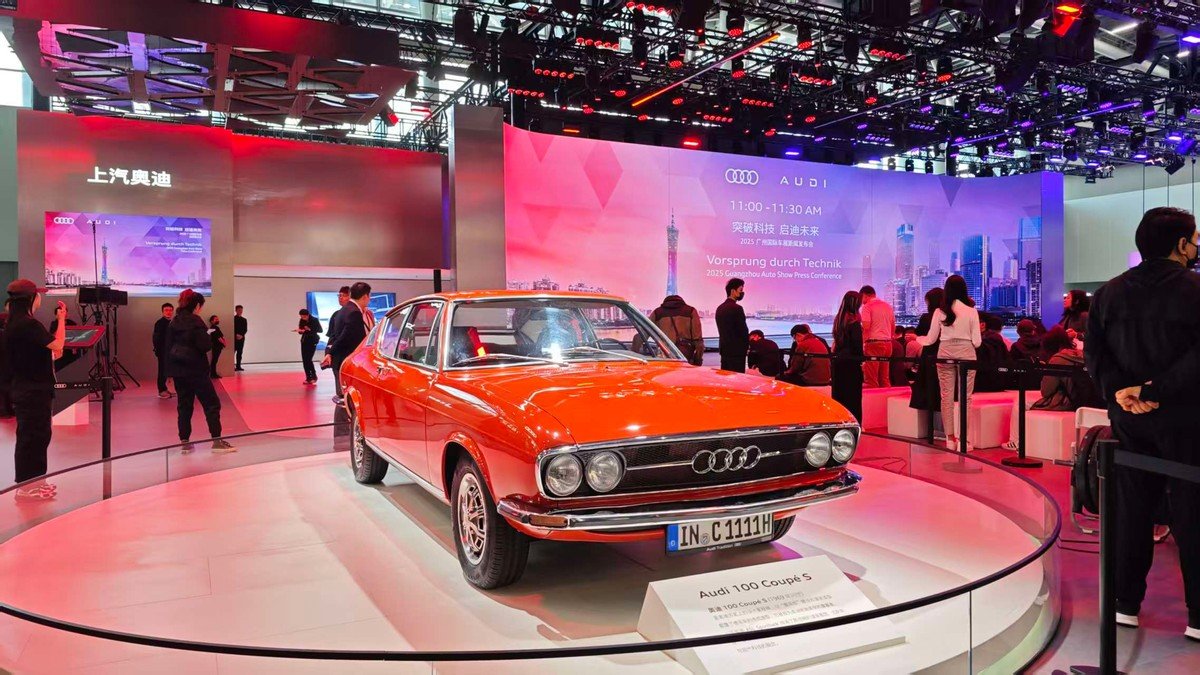
The Audi E5 Sportback special edition occupies the center of the booth. As the brand's first mass-produced pure electric model, it carries Audi's transformation expectations in the electrification era.
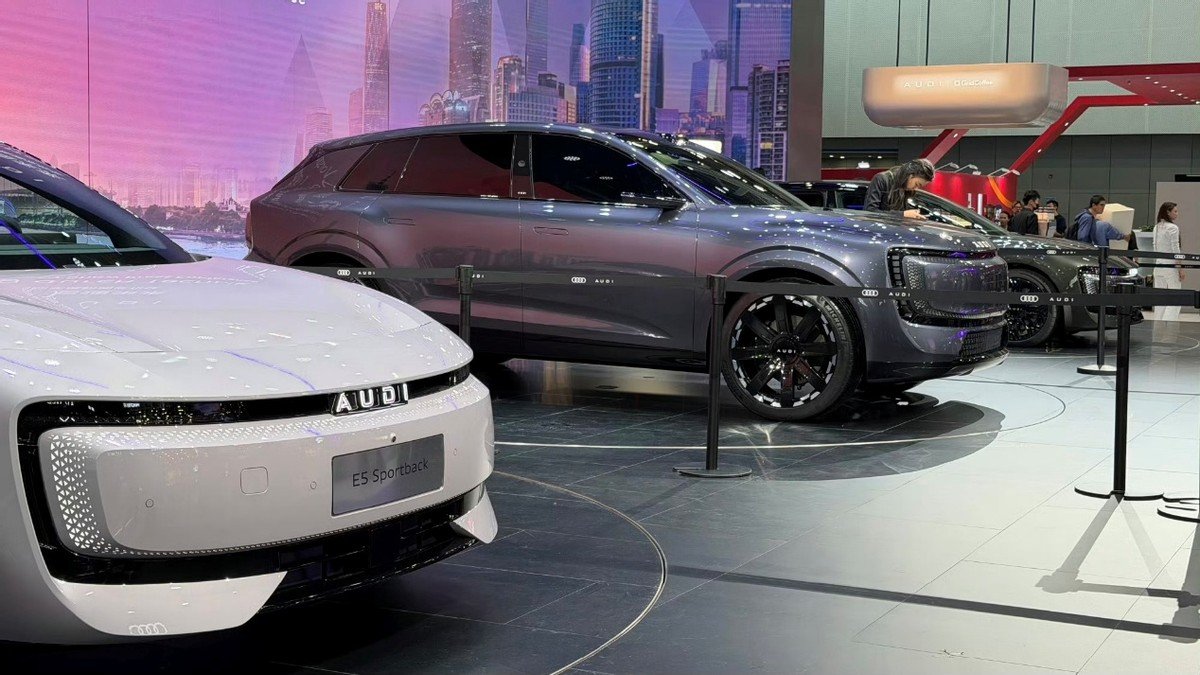
Staff focused on introducing the newly launched special edition model, which incorporates personal elements of brand ambassador Zheng Qinwen. This marketing approach reflects SAIC Audi's new thinking in user operations.
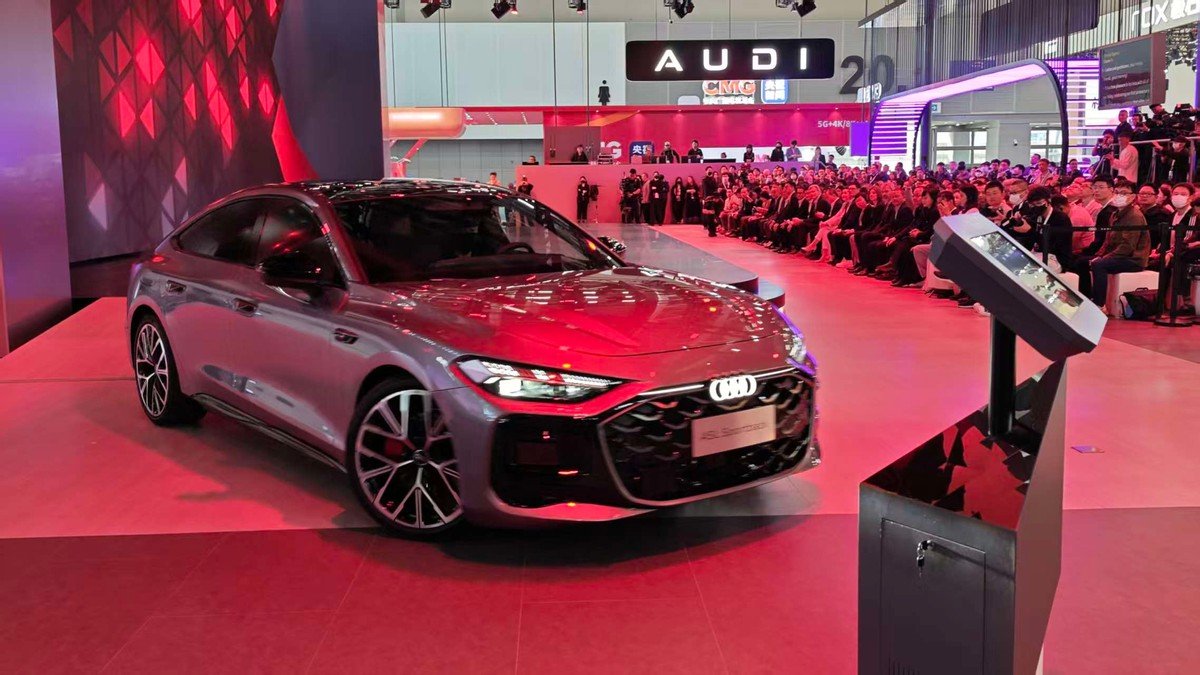
Another model worth noting is the A5L Sportback. As the world's first fuel vehicle equipped with Huawei Qiankun technology, it demonstrates another choice for traditional luxury brands in intelligence. Quite a few visitors gathered around this car on site, indicating that the market still has expectations for the combination of "luxury + intelligence."
Reading Strategic Direction from Booth Layout
Looking across the two booths, one can clearly see SAIC Volkswagen's dual-line strategy: the Volkswagen brand focuses on the popularization of intelligence in the mainstream market, while the Audi brand explores electrification transformation in the high-end market.
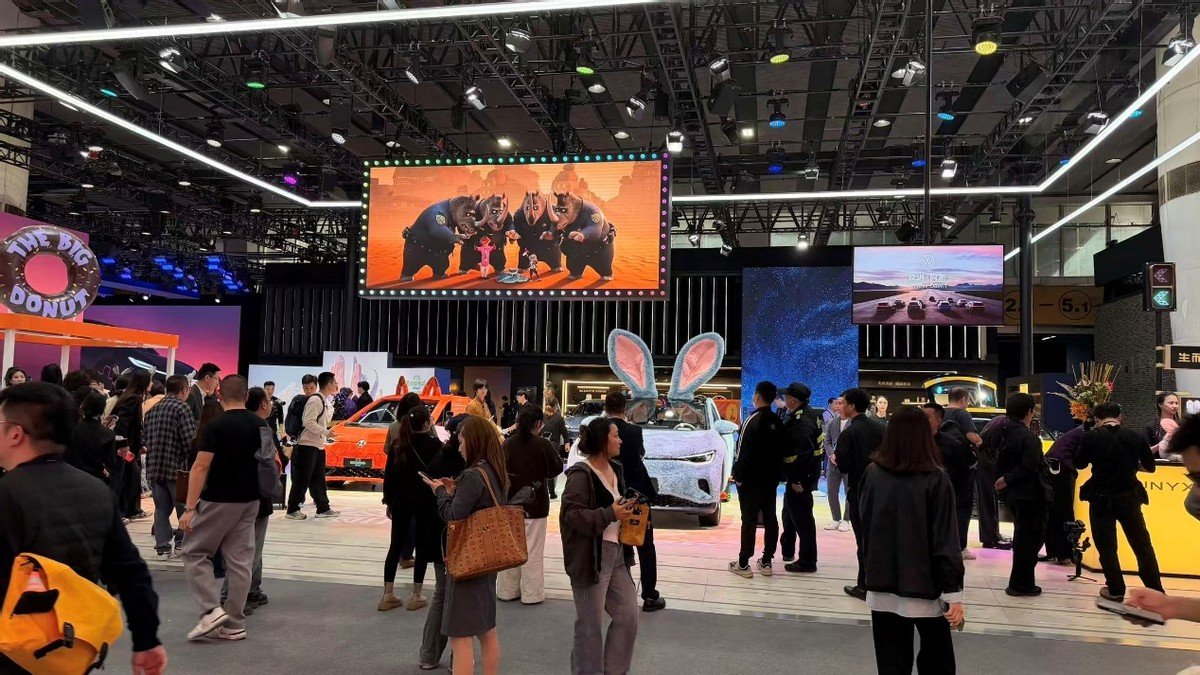
This layout with clear division of labor reflects the realistic choice of joint venture automakers in the new energy era. At the Volkswagen brand level, it achieves intelligent upgrading of fuel vehicles through the Pro family to stabilize its base.
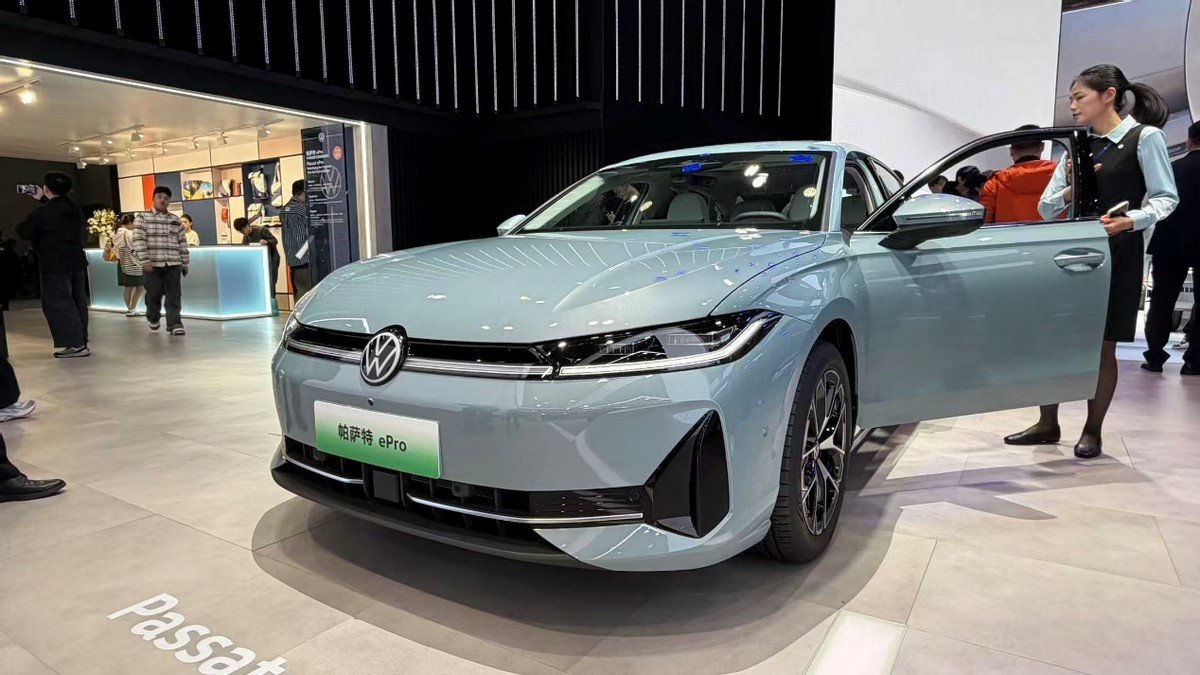
Through concept cars such as the ID. ERA, it showcases technological reserves to pave the way for new energy transformation. At the Audi brand level, it adopts a more aggressive electrification strategy, attempting to establish a first-mover advantage in the high-end market.
Dada's Commentary:
Observing from this auto show, SAIC Volkswagen's "Joint Venture 2.0" strategy is entering a period of delivering results. Compared with the concept releases half a year ago, the current product layout is clearer and more pragmatic.
It is commendable that SAIC Volkswagen has chosen a relatively steady path in its intelligent transformation: on the one hand, it continues the advantages of the fuel vehicle market through the Pro family; on the other hand, it explores new energy opportunities through models such as the ID. ERA. This "walking on two legs" strategy appears more prudent in the current market environment.
But challenges still remain. In the mainstream market of 100,000-200,000 yuan, intelligent fuel vehicles such as the Lavida Pro have to face plug-in hybrid models with continuously declining prices; in the high-end market, the Audi brand's electrification transformation still needs to break through the shackles of brand perception.
Judging from booth traffic, consumers are still curious about joint venture brands' intelligent products, but how much of this curiosity can be converted into purchasing power still needs market testing. SAIC Volkswagen's transformation path is, to some extent, also a microcosm of the entire joint venture camp—it must both maintain traditional advantages and quickly adapt to new market rules.
The overall impression from this auto show is: SAIC Volkswagen has already found a sense of direction for its transformation, but the real test has only just begun. Finally, are you optimistic about the prospects of joint venture brands in the intelligent track? Welcome to share your views in the comments section!


