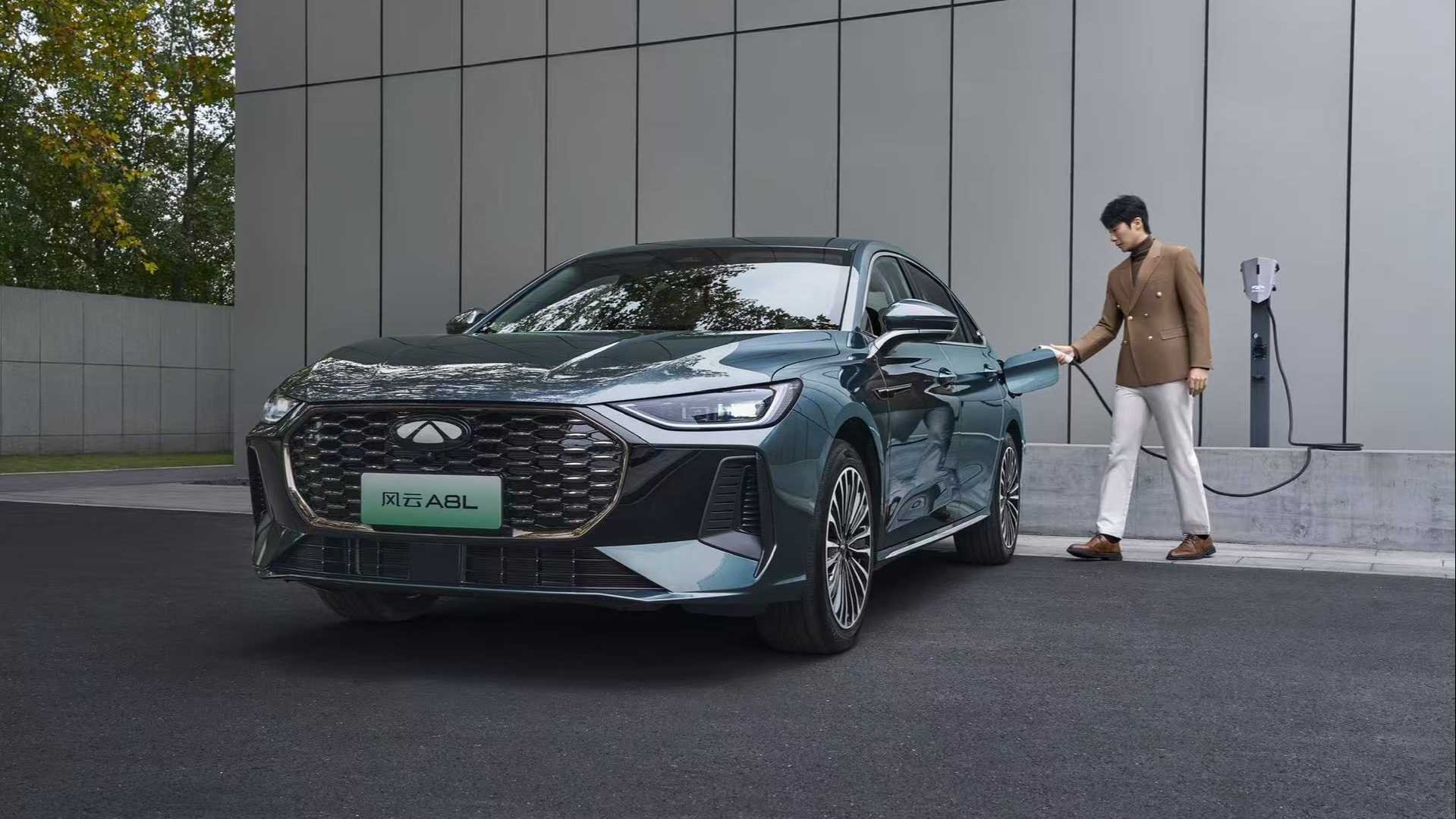
In recent years, competition in the 100,000-yuan hybrid family sedan market has undoubtedly been the most intense, with the Chery Fengyun A8L and BYD Qin L being the two most frequently questioned models, which was actually within my expectations. After all, both are representatives of "high cost-performance" and are very suitable for daily family use. However, in key dimensions such as powertrain architecture, safety protection, and comfort features, the two have significant differences, from which we can also see the distinct product orientations of the two brands.
For consumers, the choice is not a single-choice question of either/or, but a precise match based on travel needs. Next, I will walk you through the core product strength dimensions to see clearly which car better fits family users pursuing high-quality travel.
Power Performance: A Two-Way Choice Between Smooth Daily Driving and Spirited Handling
The powertrain is the core competitiveness of hybrid models, and the tuning directions of the two cars differ noticeably. The Qin L is equipped with the fifth-generation DM-i hybrid system, adopting a combination of a 1.5L engine and an electric motor. The engine has a maximum power of 74kW and peak torque of 126N·m, with power output centered on smoothness and fuel efficiency. During daily urban commuting, linear acceleration and imperceptible gear shifts are indeed well executed. Its fuel consumption at low battery is as low as 3.98L/100km (WLTC conditions), continuing the energy-saving advantages of the DM-i system.
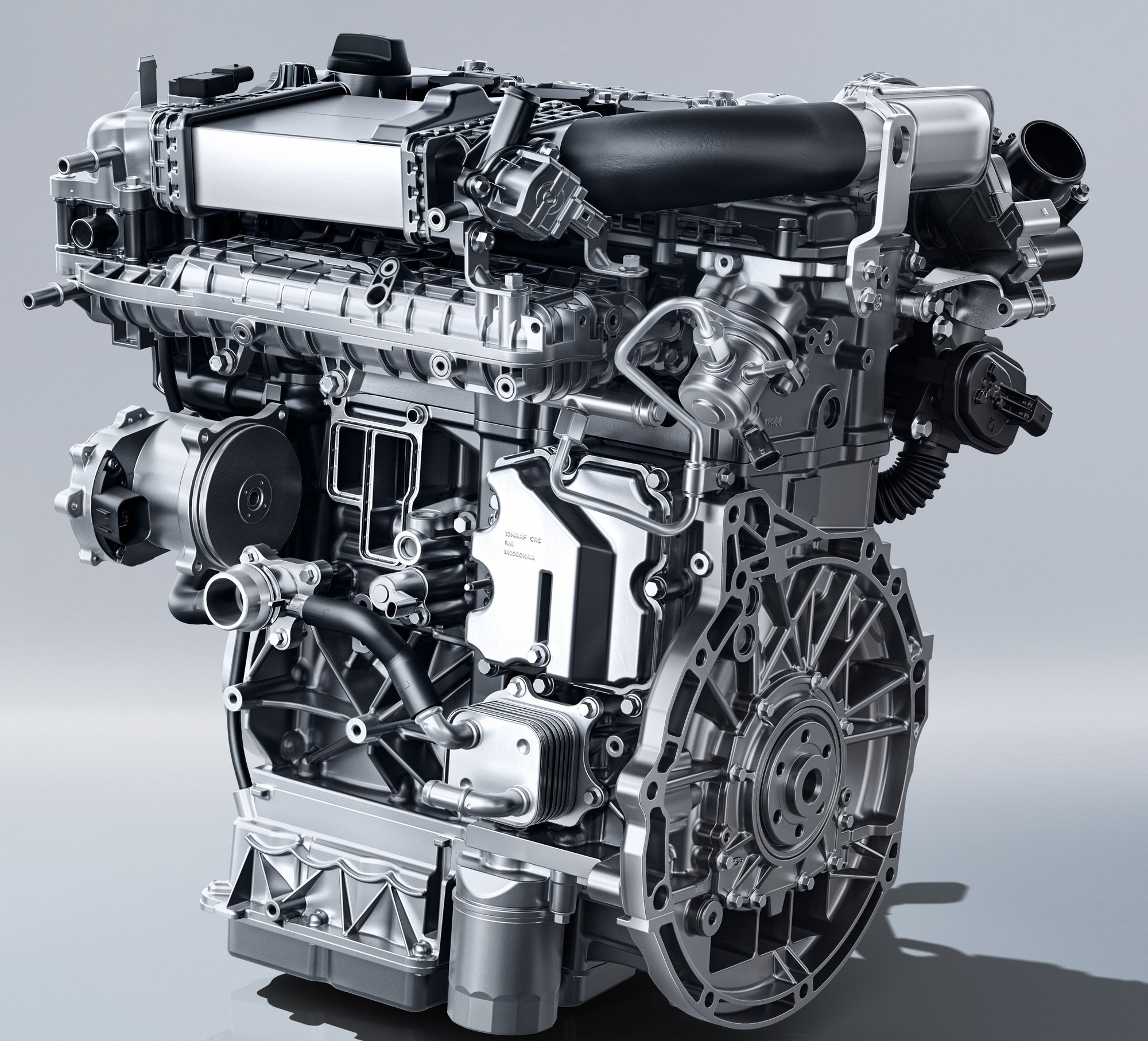
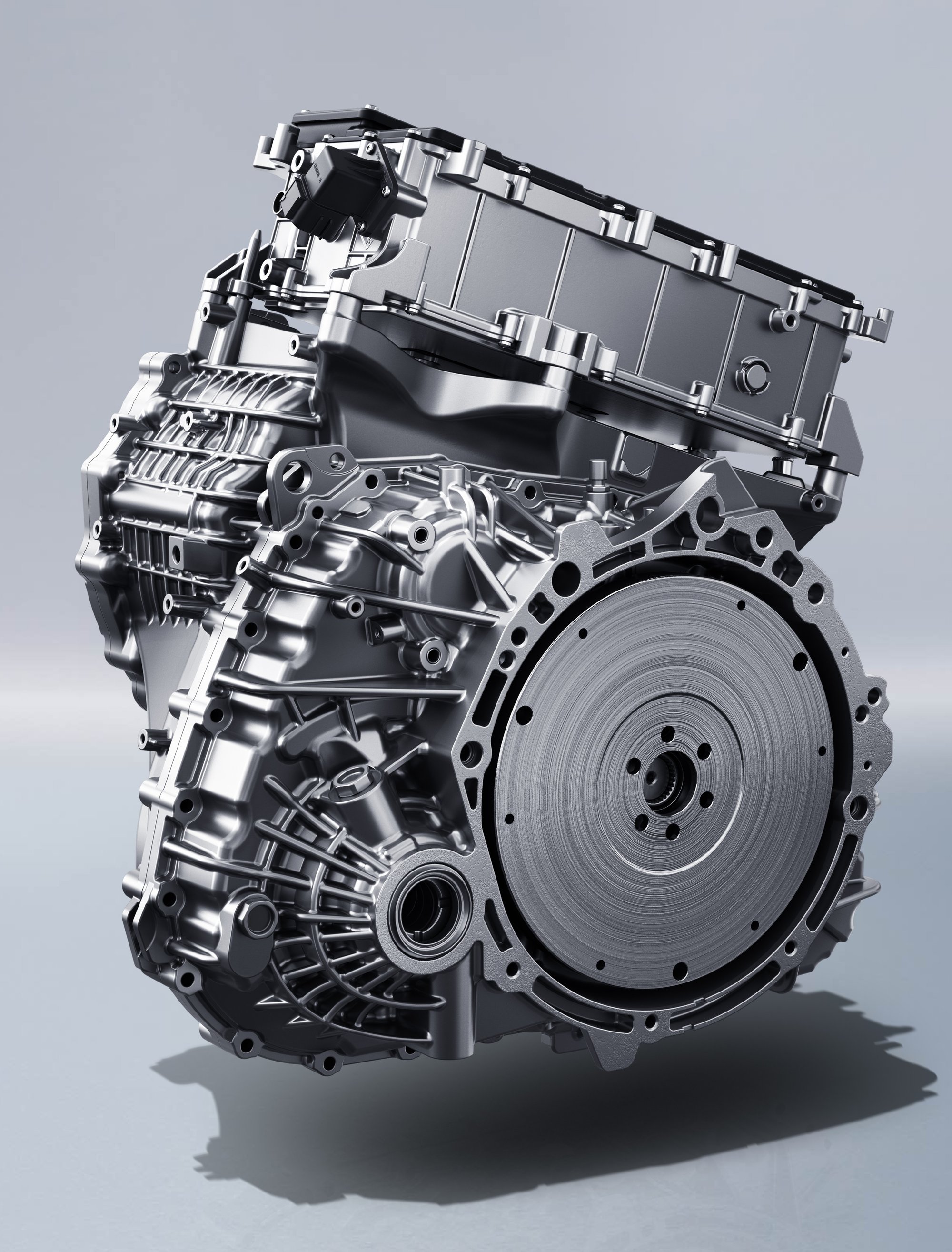
Now let's look at the Fengyun A8L. It is equipped with the Kunpeng Super Electric Hybrid CDM 5.0 system and a 1.5T engine, with maximum power reaching 115kW and peak torque of 220N·m. Paired with a 150kW drive motor and a 1-speed DHT transmission, the comprehensive efficiency is as high as 92%, and the maximum mechanical efficiency in EV mode reaches 98.5%. This powertrain combination not only achieves 0-100km/h acceleration in the 7-second range but also demonstrates overwhelming advantages at high speeds—it can run continuously for 1 hour at 185km/h without power loss. When climbing hills with a full load and air conditioning on, or overtaking at highway speeds, the power reserve is abundant, thoroughly solving the pain point of some hybrid vehicles experiencing weak power under low battery conditions. Its WLTC fuel consumption at low battery is 4.2L/100km. Although slightly higher than the Qin L, considering the stronger power output, this energy consumption performance is already at a ceiling level, balancing performance and efficiency.
Range and Recharging: Scenario Adaptation for Daily Commuting and Long-Distance Travel
For hybrid models, range and recharging efficiency directly affect the convenience of our daily vehicle use. The Qin L's CLTC pure electric range is 128km, with combined range exceeding 2000km on a full tank and full charge. It supports fast and slow charging, taking 25 minutes to recharge from 30% to 80%, which is completely adequate for daily commuting and occasional cross-city travel.
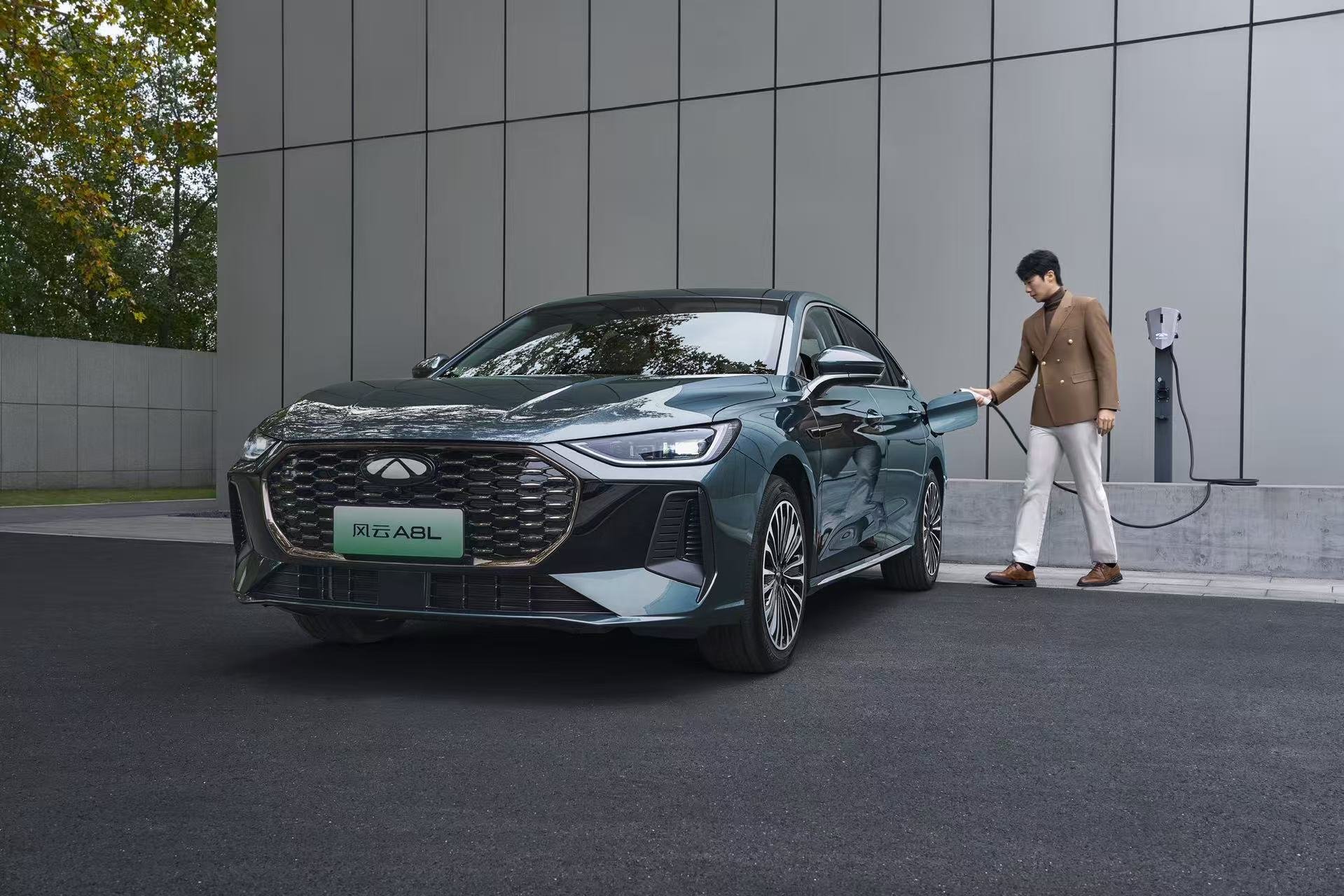
The Fengyun A8L, on the other hand, achieves a class-leading breakthrough in range capability. Its CLTC pure electric range reaches 145km, and in winter testing, after driving 112km, it still had 32% battery remaining, translating to a pure electric range of 165km with an achievement rate exceeding 100%. The longer pure electric range means daily commuting can basically achieve "zero fuel consumption." If used as a commuter car on weekdays, most families travel no more than 50km round trip, and one charge can meet 2-3 days of commuting needs—such charging frequency is hard not to be tempted by. Secondly, with a full tank and full charge, its combined range not only exceeds 2100km but also set a Guinness World Record of 2369.915km for the "farthest distance traveled by a plug-in hybrid sedan on a single full tank and full charge," meaning long-distance road trips no longer require frequent stops at service areas for recharging, bringing much convenience. In terms of recharging efficiency, the Fengyun A8L takes only 19 minutes for 30%-80% fast charging, 6 minutes faster than the Qin L, giving it an advantage in emergency recharging.
Safety Protection: Tier Differences Between Basic Assurance and Comprehensive Safeguarding
Differences in safety configurations are reflected in every aspect of body structure and protective details. The Qin L's body has a high-strength steel ratio of 71%, with A-pillars and B-pillars using 1700 MPa high-strength materials. It is equipped with 6 airbags, steel crash beams (76.8% coverage), and four energy-absorbing boxes, effectively dispersing collision impact forces, meeting basic safety protection standards. The battery uses direct cooling technology, which, although debated compared to the liquid cooling technology of the Qin PLUS, still meets safety standards for daily use, suitable for pragmatic users without excessively high safety configuration requirements.
The Fengyun A8L, however, takes safety as a core selling point. Its body high-strength steel ratio is increased to 80%, with hot-formed steel accounting for 26%, and aluminum alloy crash beam coverage reaching 78%, providing stronger body rigidity and better collision resistance.
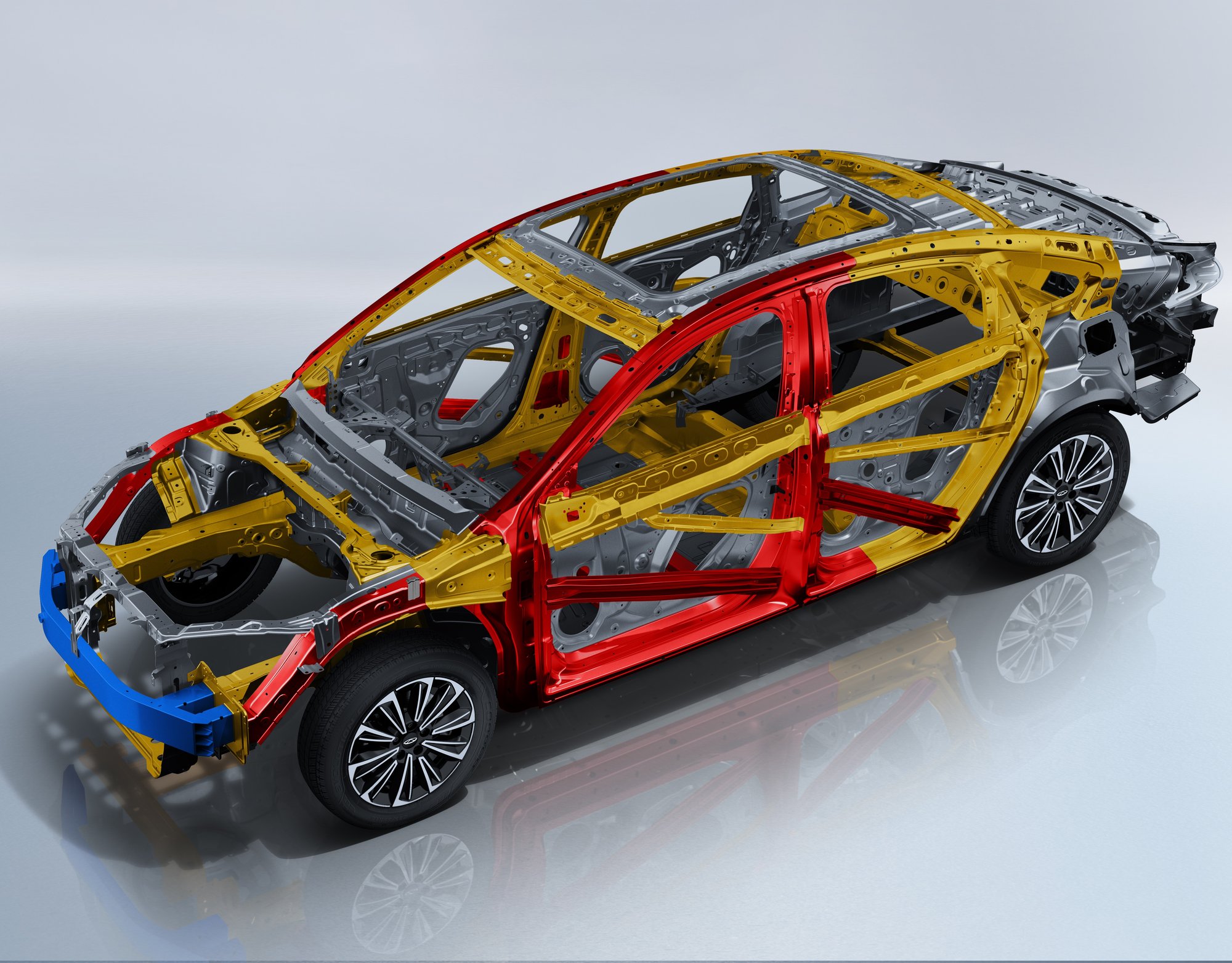
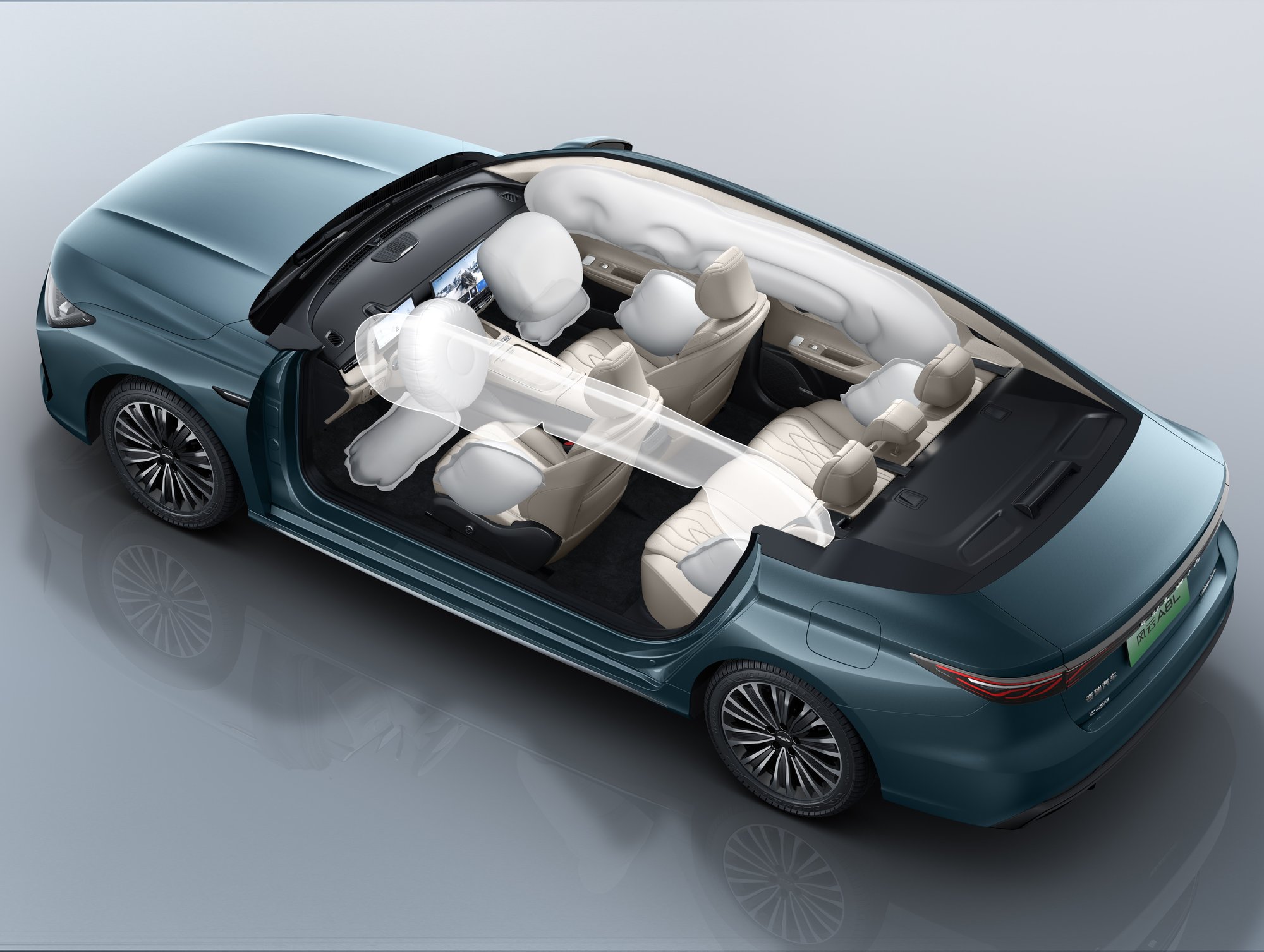
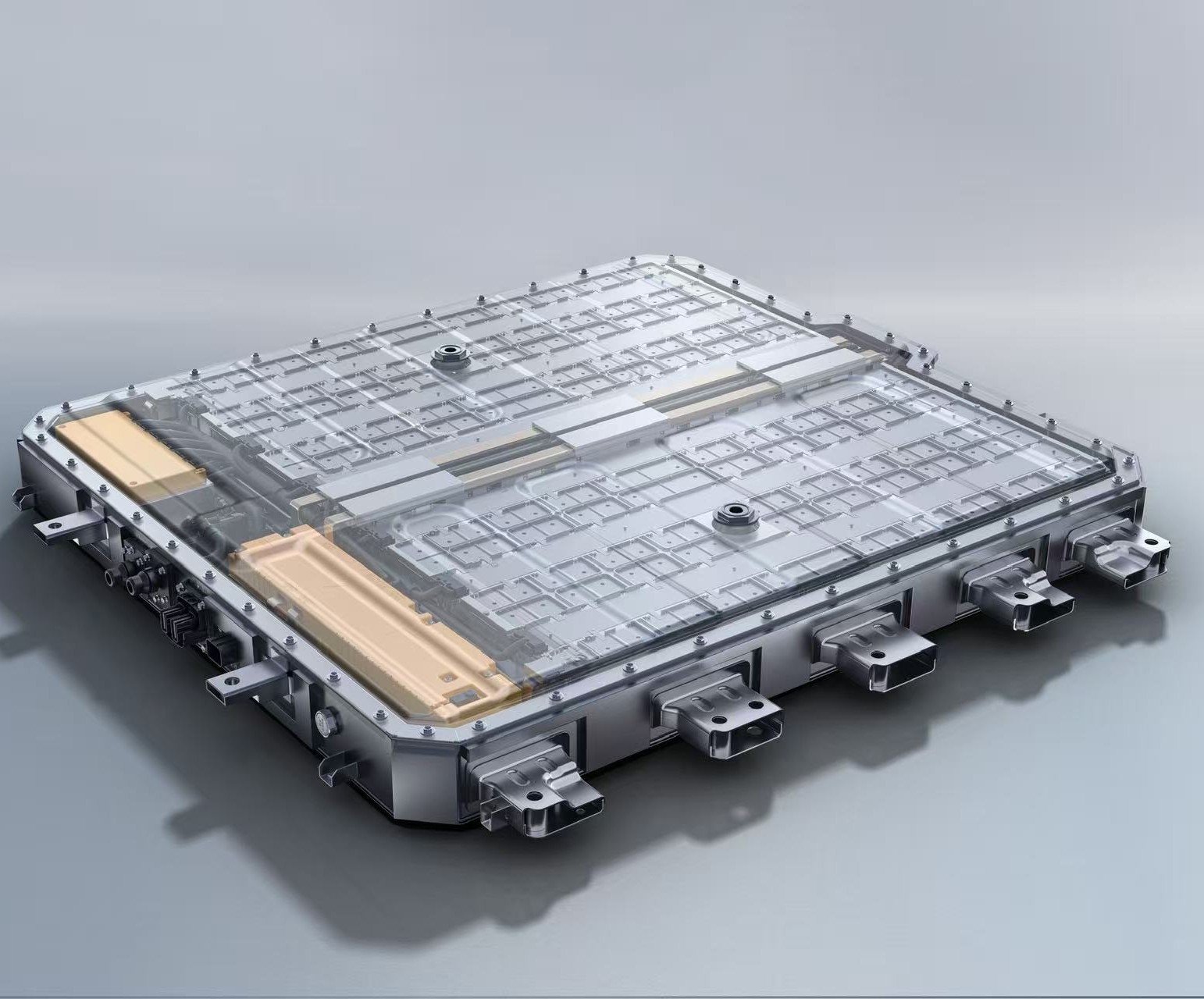
In terms of passive safety, the top-tier model is equipped with 10 airbags, covering driver and passenger knee airbags and second-row side airbags, comprehensively covering key protection areas for front and rear occupants, with particularly thorough protection for rear passengers. The battery system features the Guardian system, which can cut high-voltage power within 2 milliseconds after a collision, fundamentally reducing the risk of electric shock. At the active safety level, the top-tier model is equipped with an L2-level intelligent driving assistance system, including 19 active safety functions, combined with a 540° transparent chassis, greatly enhancing road condition anticipation capabilities. With the support of the various safety protections mentioned above, whether novice drivers or family users can obtain more comprehensive safety assurance.
Comfort Features: The Quality Gap Between Pragmatism and Class-Leading Experience
Differences in interior and configurations directly determine the quality of the driving experience. The Qin L's interior prioritizes practicality, with the driver's seat supporting 6-way electric adjustment, equipped with a 12.8-inch central control screen and dual-zone automatic air conditioning. All versions except the entry-level offer 360-degree panoramic imaging and remote parking functionality. The interior design is relatively simple with a very clear layout. Although it lacks comfort features such as ambient lighting and active noise cancellation, it still matches its pricing.
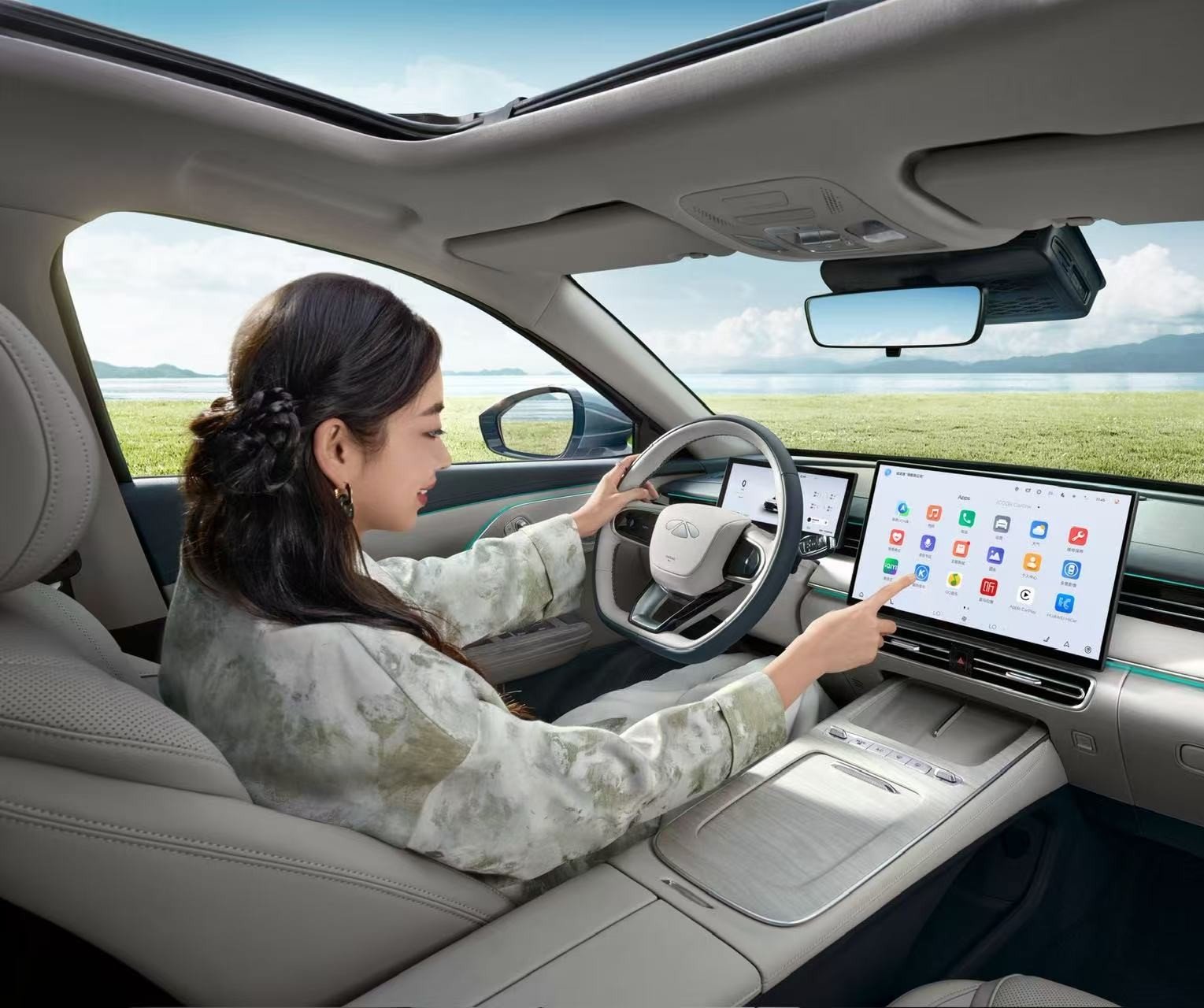
The Fengyun A8L, however, achieves a "100,000-yuan price, 200,000-yuan experience" in comfort features. In terms of body dimensions, a 4790mm vehicle length paired with a 2790mm wheelbase provides ample rear legroom, ensuring ride comfort for the whole family on long trips. The interior uses mother-and-baby-grade environmentally friendly materials with extensive soft-touch coverage, and 3D Mesh material seats with zero formaldehyde content, being more friendly to the elderly and children. In terms of technology configurations, the 15.6-inch large screen features a built-in Qualcomm 8155 automotive-grade chip, capable of executing 20 consecutive voice commands within 30 seconds, supporting Carplay, Hicar multi-brand phone connectivity, with operational smoothness far exceeding同级 competitors. Features such as 50W wireless fast charging, 265-color ambient lighting, dual-zone automatic air conditioning, and the C-PURE clean cube system (AQS + negative ions + self-cleaning) are all included. More notably, it is equipped with the segment's only ENC active noise cancellation system and double-layer laminated glass, effectively isolating external noise and ensuring interior quietness at highway speeds.
Summary: Precise Matching of Needs, the Quality Choice Offers More Value
Both the Qin L and Fengyun A8L are quality products in the 100,000-yuan hybrid family sedan market, with each focusing on different product orientations. With its mature DM-i hybrid system, balanced configuration performance, and highly competitive terminal pricing, the Qin L has become an ideal choice for budget-conscious users pursuing high cost-performance—if you mainly use it for urban commuting and have no excessively high requirements for power performance and luxury configurations, the Qin L is a reliable choice.
The Fengyun A8L, meanwhile, redefines the segment standard with "real data, real quality": longer pure electric range reduces charging frequency, stronger power performance covers all travel scenarios, more comprehensive safety configurations protect the whole family, and richer comfort features enhance the quality of vehicle use. For family users pursuing power and handling, emphasizing material safety, wanting less charging for daily pure electric commuting, and hoping to obtain a class-leading comfort experience, the Fengyun A8L's comprehensive product strength is clearly more attractive.


